


Dress interlining is a crucial component in the world of fashion, playing a significant role in enhancing the structure, shape, and overall quality of garments. As a dress interlining supplier, I often receive inquiries about the suitability of dress interlining for various types of dresses, including evening gowns. In this blog post, I will explore the question: Can dress interlining be used in evening gowns?
The Function of Dress Interlining
Before delving into the specific application of dress interlining in evening gowns, it's essential to understand the primary functions of dress interlining. Dress interlining is typically a layer of fabric that is placed between the outer fabric and the lining of a garment. It serves several purposes:
- Structural Support: Interlining helps to maintain the shape of the dress, preventing it from sagging or losing its form over time. This is particularly important for dresses with intricate designs or those that require a specific silhouette.
- Enhanced Durability: By adding an extra layer of fabric, interlining can increase the strength and durability of the dress, making it more resistant to wear and tear.
- Improved Drape: Interlining can also affect the drape of the dress, giving it a more fluid and elegant appearance. It can help to smooth out any wrinkles or creases in the fabric, resulting in a more polished look.
- Thermal Insulation: Some types of interlining, such as Thinsulate Interlining Fabric, provide thermal insulation, which can be beneficial for evening gowns worn in cooler environments.
Suitability of Dress Interlining for Evening Gowns
Now that we understand the functions of dress interlining, let's consider whether it is suitable for evening gowns. The answer is a resounding yes! Dress interlining can offer several benefits when used in evening gowns:
- Enhanced Silhouette: Evening gowns often require a specific silhouette, such as a fitted bodice or a full skirt. Dress interlining can help to achieve and maintain these shapes, ensuring that the gown looks its best. For example, waistband interlining fabric can provide support to the waist area, creating a more defined and flattering shape. Waist Band Interlining Fabric is designed to add structure and stability to the waistband of the gown, preventing it from stretching or losing its shape.
- Improved Comfort: While evening gowns are often associated with glamour and style, comfort is also an important consideration. Dress interlining can help to improve the comfort of the gown by providing a layer of padding and support. It can reduce friction between the skin and the outer fabric, making the gown more comfortable to wear for extended periods.
- Increased Durability: Evening gowns are typically made from high-quality fabrics that are designed to last. However, they can still be prone to damage, especially if they are worn frequently or subjected to rough handling. Dress interlining can help to increase the durability of the gown, protecting the outer fabric from wear and tear and extending its lifespan.
- Enhanced Aesthetic Appeal: Dress interlining can also enhance the aesthetic appeal of the evening gown. It can add depth and dimension to the fabric, giving the gown a more luxurious and sophisticated look. For example, a wedding dress lining fabric can be used to create a soft and romantic effect, adding to the overall beauty of the gown. Wedding Dress Lining Fabric is available in a variety of colors and textures, allowing designers to create unique and个性化 looks for their clients.
Types of Dress Interlining for Evening Gowns
There are several types of dress interlining that can be used in evening gowns, each with its own unique properties and benefits. Here are some of the most common types:
- Non-Woven Interlining: Non-woven interlining is a popular choice for evening gowns because it is lightweight, flexible, and easy to work with. It is made from a blend of fibers that are bonded together using heat or chemicals, creating a smooth and uniform surface. Non-woven interlining is available in a variety of weights and thicknesses, making it suitable for a wide range of fabrics and styles.
- Woven Interlining: Woven interlining is another option for evening gowns. It is made from woven fibers, which gives it a more structured and stable appearance. Woven interlining is typically heavier and more durable than non-woven interlining, making it a good choice for dresses that require a lot of support.
- Fusible Interlining: Fusible interlining is a type of interlining that is designed to be fused to the outer fabric using heat. It is a convenient and easy-to-use option, as it eliminates the need for sewing. Fusible interlining is available in a variety of weights and thicknesses, and it can be used with a wide range of fabrics.
- Knitted Interlining: Knitted interlining is a stretchy and flexible type of interlining that is suitable for dresses that require a lot of movement. It is made from knitted fibers, which gives it a soft and comfortable feel. Knitted interlining is available in a variety of weights and thicknesses, and it can be used with a wide range of fabrics.
Considerations When Using Dress Interlining in Evening Gowns
While dress interlining can offer many benefits when used in evening gowns, there are some considerations to keep in mind:
- Fabric Compatibility: It's important to choose an interlining that is compatible with the outer fabric of the gown. The interlining should have similar properties to the outer fabric, such as weight, drape, and stretch. This will ensure that the gown looks and feels its best.
- Style and Design: The style and design of the evening gown will also influence the choice of interlining. For example, a gown with a lot of intricate details or a fitted bodice may require a more structured interlining, while a gown with a flowing skirt or a loose fit may benefit from a more lightweight and flexible interlining.
- Comfort: Comfort is always an important consideration when choosing an interlining for an evening gown. The interlining should not be too heavy or restrictive, as this can make the gown uncomfortable to wear. It's also important to choose an interlining that is breathable, to prevent sweating and discomfort.
- Cost: The cost of the interlining is another factor to consider. While high-quality interlining can enhance the quality and appearance of the gown, it can also add to the overall cost. It's important to balance the cost of the interlining with the budget for the gown.
Conclusion
In conclusion, dress interlining can be a valuable addition to evening gowns, offering a range of benefits such as enhanced silhouette, improved comfort, increased durability, and enhanced aesthetic appeal. As a dress interlining supplier, I have seen firsthand the positive impact that interlining can have on the quality and appearance of evening gowns. If you are a designer or a dressmaker looking to create a stunning evening gown, I encourage you to consider using dress interlining. It can help you to achieve the perfect balance of style, comfort, and durability, resulting in a gown that your clients will love.

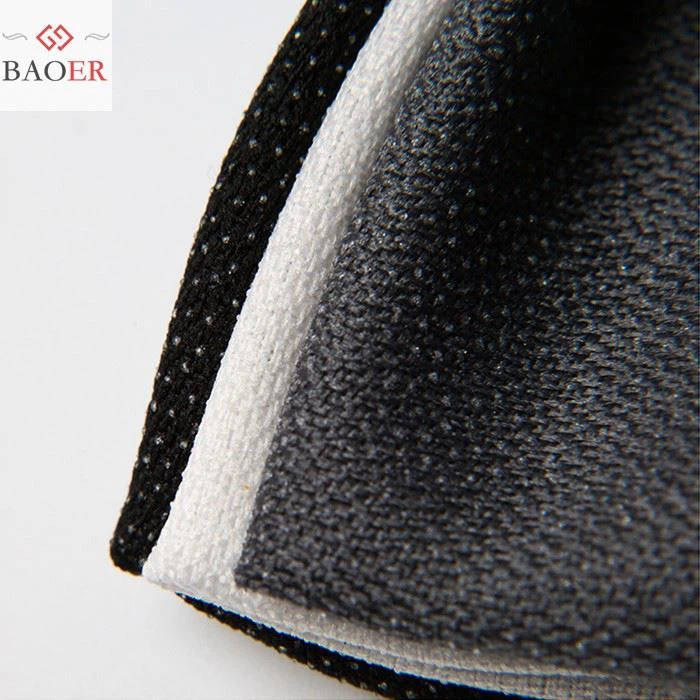
If you have any questions about dress interlining or would like to discuss your specific requirements, please don't hesitate to contact me. I would be happy to provide you with more information and help you choose the right interlining for your evening gowns. Let's work together to create beautiful and unforgettable dresses!
References
- Fashion Institute of Technology. (n.d.). Dress Interlining. Retrieved from [Website URL]
- International Textile and Apparel Association. (n.d.). Interlining: A Key Component in Garment Construction. Retrieved from [Website URL]
- Textile Institute. (n.d.). Interlining Materials: Properties and Applications. Retrieved from [Website URL]
