


As a seasoned interlining supplier, I often get asked about the various applications of our products. One question that has popped up recently is whether interlining can be used in a poncho. In this blog post, I'll delve into this topic, exploring the feasibility, benefits, and considerations when using interlining in a poncho.
Understanding Interlining
Before we discuss its use in ponchos, let's briefly understand what interlining is. Interlining is a fabric that is placed between the outer fabric and the lining of a garment. It serves multiple purposes, such as providing structure, shape, and stability to the garment. It can also enhance the durability, insulation, and drape of the final product.
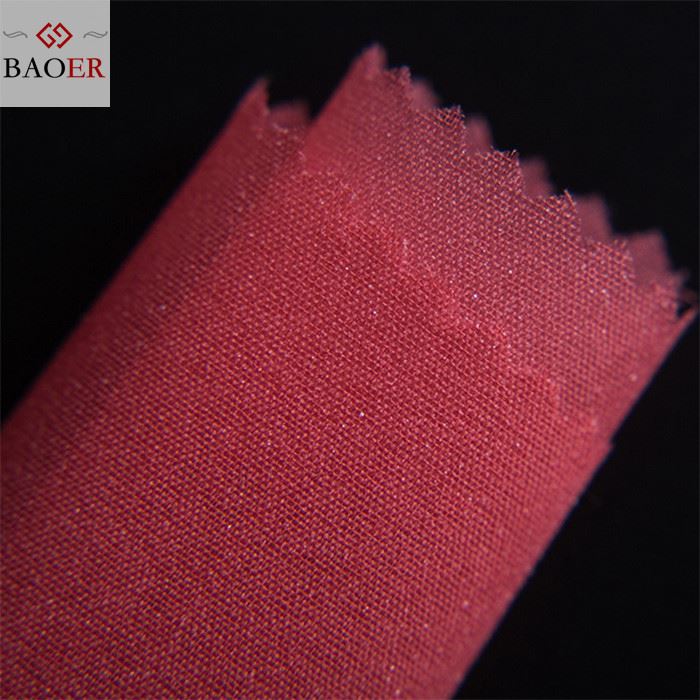
At our company, we offer a wide range of interlining products, including Woven Fusible Garment Interlining Fabric, Thermo Bond Woven Interlining, and Woven Adhesive Interlining. Each type has its unique characteristics and is suitable for different applications.
Feasibility of Using Interlining in a Poncho
The short answer is yes, you can use interlining in a poncho. Ponchos are simple, loose-fitting garments that typically cover the upper body. They are often made from a single layer of fabric, but adding interlining can bring several advantages.

Structure and Shape
Ponchos are known for their casual and relaxed style, but they can sometimes lack structure. Interlining can help give the poncho a more defined shape, preventing it from looking too shapeless or saggy. This is especially beneficial if you want to create a poncho with a more tailored or structured look.
Insulation
If you're making a poncho for colder weather, interlining can provide an extra layer of insulation. It can help trap body heat and keep the wearer warm, making the poncho more suitable for outdoor activities in chilly conditions.
Durability
Interlining can also enhance the durability of the poncho. It adds an extra layer of protection to the outer fabric, making it more resistant to wear and tear. This is particularly important if the poncho will be used frequently or in rugged environments.
Drape
The right interlining can improve the drape of the poncho, giving it a more elegant and flowing appearance. It can help the fabric hang more smoothly and evenly, enhancing the overall aesthetic of the garment.
Considerations When Using Interlining in a Poncho
While using interlining in a poncho has many benefits, there are also some considerations to keep in mind.
Fabric Selection
The choice of interlining fabric depends on the type of outer fabric and the desired effect. For lightweight ponchos made from delicate fabrics, a lightweight interlining may be more suitable to avoid adding too much bulk. On the other hand, for heavier ponchos made from thick fabrics, a heavier interlining can provide more structure and insulation.
Compatibility
It's important to ensure that the interlining is compatible with the outer fabric. Some interlinings are designed to be fused to the outer fabric, while others are sewn in. Make sure you choose the right type of interlining and follow the manufacturer's instructions for application.
Breathability
Since ponchos are often worn in outdoor settings, breathability is an important factor to consider. If the interlining is too thick or non-breathable, it can make the wearer feel hot and uncomfortable. Look for interlinings that are breathable and allow air to circulate.
Design and Style
The design and style of the poncho should also influence your choice of interlining. If you want to create a poncho with a more traditional or rustic look, a natural fiber interlining may be a good choice. For a more modern or contemporary look, a synthetic interlining may be more appropriate.
Steps to Use Interlining in a Poncho
If you've decided to use interlining in your poncho, here are the general steps to follow:
Step 1: Measure and Cut
Measure the outer fabric of the poncho and cut the interlining to the same size. Make sure to leave a small allowance for seam allowances.
Step 2: Fuse or Sew
If you're using a fusible interlining, follow the manufacturer's instructions to fuse it to the wrong side of the outer fabric. If you're using a non-fusible interlining, sew it to the outer fabric using a straight stitch or a basting stitch.
Step 3: Assemble the Poncho
Once the interlining is attached to the outer fabric, you can proceed to assemble the poncho. This may involve sewing the sides, adding a hood, or creating any other design elements.
Step 4: Finish the Edges
Finish the edges of the poncho to prevent fraying. You can use a serger, a zigzag stitch, or binding tape to finish the edges.
Conclusion
In conclusion, using interlining in a poncho is a feasible and beneficial option. It can provide structure, insulation, durability, and improved drape to the poncho. However, it's important to consider the fabric selection, compatibility, breathability, and design when choosing the right interlining. By following the steps outlined above, you can create a stylish and functional poncho that incorporates interlining.
If you're interested in purchasing interlining for your poncho project or have any questions about our products, please feel free to contact us. We're here to help you find the right interlining solution for your needs.
References
- Fashion Institute of Technology. (n.d.). Interlining Basics. Retrieved from [Fashion Institute of Technology Website]
- Textile School. (n.d.). What is Interlining? Retrieved from [Textile School Website]
