


As a dedicated interlining supplier with years of industry experience, I often get asked various questions about the applications of interlining materials. One question that has been popping up more frequently lately is, "Can I use interlining in swimwear?" In this blog post, I'll delve into this topic, exploring the possibilities, challenges, and potential benefits of using interlining in swimwear.
Understanding Interlining
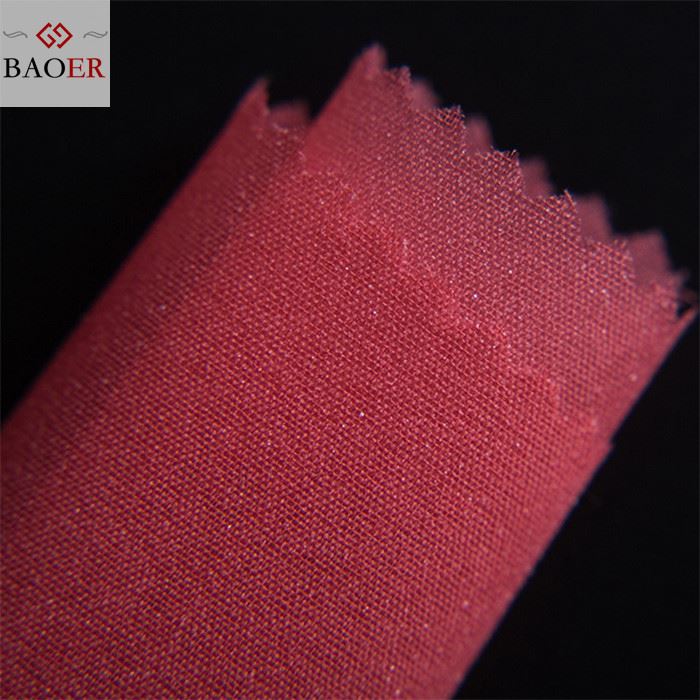
Before we discuss its use in swimwear, let's first understand what interlining is. Interlining is a layer of fabric that is placed between the outer fabric and the lining of a garment. It serves several purposes, including adding stiffness, shape, and support to the garment. There are different types of interlining available, such as Woven Adhesive Interlining, Thermo Bond Woven Interlining, and Woven Interlining Fabric. Each type has its own unique characteristics and properties, making them suitable for different applications.
The Challenges of Using Interlining in Swimwear
Swimwear is a unique type of garment that is exposed to water, chlorine, salt, and sunlight on a regular basis. These environmental factors can have a significant impact on the performance and durability of the materials used in swimwear. When considering using interlining in swimwear, there are several challenges that need to be addressed:
1. Water Resistance
Interlining materials need to be water-resistant to prevent them from becoming heavy and saggy when wet. Most traditional interlining materials are not designed to withstand prolonged exposure to water, which can cause them to lose their shape and structure.
2. Chlorine and Salt Resistance
Chlorine and salt are commonly found in swimming pools and the ocean, respectively. These chemicals can be corrosive and can damage the interlining material over time. The interlining used in swimwear needs to be resistant to these chemicals to ensure its longevity.
3. Stretch and Flexibility
Swimwear requires a high degree of stretch and flexibility to allow for a full range of motion. The interlining material needs to be able to stretch and flex along with the outer fabric without restricting movement or causing discomfort.
4. Comfort
Comfort is a crucial factor in swimwear. The interlining material should not cause any irritation or chafing against the skin, especially when wet.
Potential Benefits of Using Interlining in Swimwear
Despite the challenges, there are several potential benefits of using interlining in swimwear:
1. Shape and Support
Interlining can provide additional shape and support to swimwear, helping it to maintain its form and fit. This can be particularly beneficial for swimsuits with a more structured design, such as one-piece swimsuits or swim dresses.
2. Durability
By adding an extra layer of protection, interlining can help to increase the durability of swimwear. It can prevent the outer fabric from stretching out or wearing down too quickly, extending the lifespan of the garment.

3. Modesty
For some people, swimwear needs to provide a certain level of modesty. Interlining can be used to add an extra layer of coverage without sacrificing style or comfort.
Choosing the Right Interlining for Swimwear
When choosing an interlining for swimwear, it's important to consider the specific requirements of the garment. Here are some factors to keep in mind:
1. Material
Look for interlining materials that are specifically designed for use in swimwear or other water-resistant applications. These materials are typically made from synthetic fibers that are resistant to water, chlorine, and salt.
2. Stretch and Flexibility
Choose an interlining material that has a similar stretch and flexibility to the outer fabric. This will ensure that the swimwear moves and stretches naturally without any restrictions.
3. Adhesion
If you're using an adhesive interlining, make sure that it has a strong and durable bond. The adhesive should be able to withstand the constant movement and exposure to water without peeling or coming loose.
4. Comfort
Test the interlining material against your skin to ensure that it is comfortable and does not cause any irritation. Look for materials that are soft, smooth, and breathable.
Case Studies: Successful Use of Interlining in Swimwear
To illustrate the potential of using interlining in swimwear, let's take a look at some real-world examples:
1. Performance Swimsuits
Many high-performance swimsuits, such as those used in competitive swimming, incorporate interlining to provide additional support and compression. The interlining helps to reduce drag and improve the swimmer's speed and efficiency in the water.
2. Fashion Swimwear
In the fashion industry, interlining is often used to add structure and shape to swimwear designs. It can be used to create unique silhouettes, such as high-waisted bikini bottoms or bustier-style one-piece swimsuits.
Conclusion
So, can you use interlining in swimwear? The answer is yes, but it requires careful consideration and the right choice of materials. While there are challenges associated with using interlining in swimwear, the potential benefits in terms of shape, support, durability, and modesty make it a viable option for many swimwear designers and manufacturers.
If you're interested in exploring the use of interlining in your swimwear products, I encourage you to reach out to me. As an experienced interlining supplier, I can provide you with expert advice and high-quality interlining materials that are specifically designed for swimwear applications. Let's work together to create swimwear that not only looks great but also performs well and lasts longer.
References
- Textile Institute. (2018). Handbook of Technical Textiles. Woodhead Publishing.
- Tortora, P. G., & Merkel, K. A. (2016). Fairchild's Dictionary of Textiles. Fairchild Books.
