


Hey there! I'm an interlining supplier, and today I wanna chat about a question that often pops up in the fashion world: Can interlining be used in knitwear? Well, let's dig into this topic and find out.

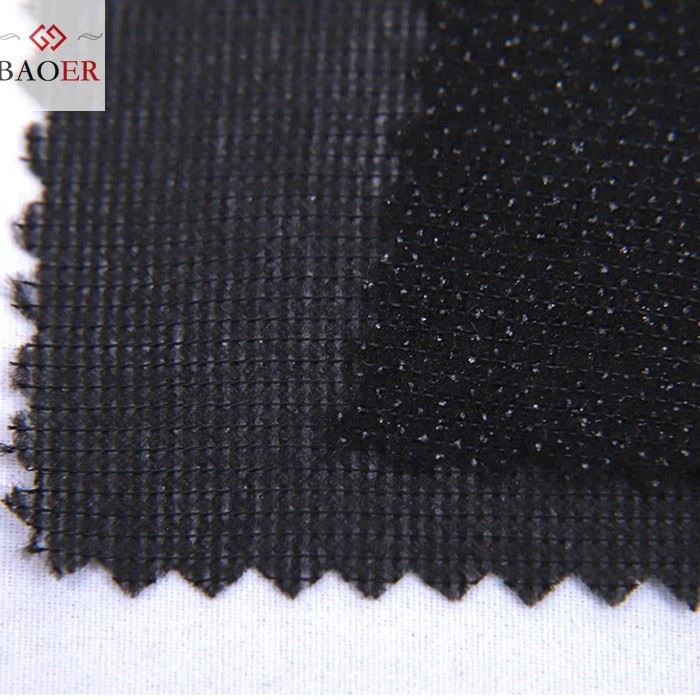
First off, let's understand what interlining is. Interlining is a material that's used to add structure, stability, and sometimes warmth to garments. It's usually placed between the outer fabric and the lining of a piece of clothing. There are different types of interlining, like Twill Fusible Interlining, Woven Adhesive Interlining, and Thermo Bond Woven Interlining. Each type has its own unique properties and uses.
Now, let's talk about knitwear. Knit fabrics are known for their stretchiness, flexibility, and comfort. They're made by interlocking loops of yarn, which gives them that characteristic drape and movement. Because of their stretchy nature, knitwear is often used for casual and comfortable clothing, like sweaters, T-shirts, and leggings.
So, can interlining be used in knitwear? The answer is yes, but it's not as straightforward as using it in woven fabrics. There are a few things to consider when using interlining in knitwear.
Advantages of Using Interlining in Knitwear
- Added Structure: One of the main benefits of using interlining in knitwear is that it can add structure and shape to the garment. Knit fabrics can sometimes be too soft and drapey, which can make it difficult to create a well-defined silhouette. By adding interlining, you can give the knitwear more body and support, making it easier to create a flattering shape.
- Improved Durability: Interlining can also help to improve the durability of knitwear. Knit fabrics can be prone to stretching and sagging over time, especially in areas that get a lot of wear and tear, like the elbows and knees. By adding interlining, you can reinforce these areas and prevent the fabric from stretching out of shape.
- Enhanced Warmth: In some cases, interlining can also be used to add warmth to knitwear. For example, if you're making a winter sweater, you could use a thermal interlining to keep the wearer warm and cozy.
Challenges of Using Interlining in Knitwear
- Stretch Compatibility: One of the biggest challenges of using interlining in knitwear is finding an interlining that's compatible with the stretch of the knit fabric. If the interlining is too stiff or doesn't stretch enough, it can restrict the movement of the knit fabric and make the garment feel uncomfortable to wear. On the other hand, if the interlining is too stretchy, it may not provide enough support and structure.
- Fusing Issues: Another challenge is ensuring that the interlining fuses properly to the knit fabric. Knit fabrics can be more difficult to fuse than woven fabrics because of their stretchy nature. If the interlining doesn't fuse properly, it can cause bubbling, wrinkling, or peeling, which can ruin the appearance of the garment.
- Aesthetic Considerations: Using interlining in knitwear can also affect the aesthetic of the garment. The interlining can add bulk and change the drape of the knit fabric, which may not be desirable in some cases. It's important to choose an interlining that's thin and lightweight, so it doesn't add too much bulk to the garment.
Tips for Using Interlining in Knitwear
- Choose the Right Interlining: When choosing an interlining for knitwear, it's important to choose one that's compatible with the stretch of the knit fabric. Look for an interlining that has a similar stretch percentage to the knit fabric, or one that's specifically designed for use with knit fabrics.
- Test the Fusing Process: Before using the interlining in a full garment, it's a good idea to test the fusing process on a small piece of the knit fabric. This will help you to determine the correct temperature, pressure, and time settings for fusing the interlining to the fabric.
- Use a Lightweight Interlining: To avoid adding too much bulk to the knitwear, it's best to use a lightweight interlining. Look for an interlining that's thin and breathable, so it doesn't affect the comfort of the garment.
- Consider the Design: When using interlining in knitwear, it's important to consider the design of the garment. Interlining is typically used in areas where more structure and support are needed, such as the collar, cuffs, and hem. It's also important to choose an interlining that complements the style of the knitwear.
Types of Interlining Suitable for Knitwear
- Lightweight Fusible Interlining: Lightweight fusible interlining is a popular choice for knitwear because it's easy to use and doesn't add too much bulk. It can be fused to the knit fabric using a hot iron, which creates a strong bond between the two layers.
- Stretch Interlining: Stretch interlining is specifically designed for use with stretchy fabrics, like knitwear. It has a similar stretch percentage to the knit fabric, which allows it to move and stretch with the fabric without restricting its movement.
- Thermal Interlining: Thermal interlining is a good choice for winter knitwear because it adds warmth and insulation. It's typically made from a layer of insulating material, such as fleece or wool, which helps to keep the wearer warm in cold weather.
In conclusion, interlining can definitely be used in knitwear, but it requires careful consideration and planning. By choosing the right interlining, testing the fusing process, and considering the design of the garment, you can achieve great results and create knitwear that's both stylish and functional.
If you're interested in using interlining in your knitwear projects, I'd love to chat with you. As an interlining supplier, I have a wide range of products to choose from, and I can help you find the perfect interlining for your needs. Whether you're a small business owner, a fashion designer, or a DIY enthusiast, I'm here to support you every step of the way. So, don't hesitate to reach out and start a conversation. Let's work together to create amazing knitwear!
References
- Fashion Institute of Technology. (n.d.). Interlining in Garment Construction. Retrieved from [Website URL]
- Textile Institute. (n.d.). Knit Fabrics: Properties and Applications. Retrieved from [Website URL]
- Sewing World Magazine. (Year). Using Interlining in Knitwear. Retrieved from [Website URL]
