


As a seasoned supplier of Twill Fusible Interlining, I'm often confronted with a variety of inquiries from customers regarding the proper usage and handling of our product. One question that keeps popping up more frequently than others is, "Can twill fusible interlining be ironed on both sides?" This blog post aims to delve into this topic comprehensively, offering insights based on scientific knowledge and practical industry experience.
Understanding Twill Fusible Interlining
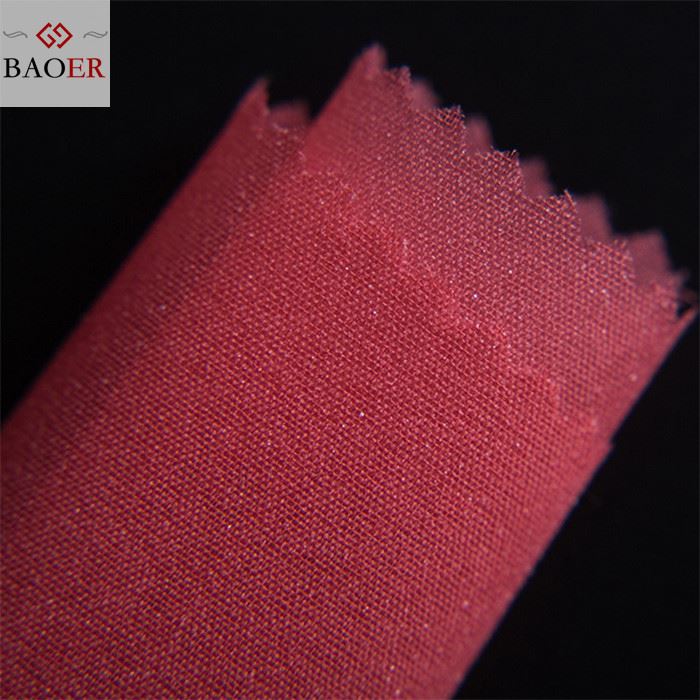
Before we address the question at hand, it's essential to understand what twill fusible interlining is. Twill fusible interlining is a type of woven fabric that has been coated with a thermoplastic adhesive. This adhesive allows the interlining to bond securely to another fabric, usually the main fabric of a garment, when heat and pressure are applied. The twill weave structure imparts certain properties to the interlining, such as enhanced durability, flexibility, and a characteristic diagonal pattern that can add a touch of elegance to the finished product.
Our range of Twill Fusible Interlining is available in different weights, strengths, and finishes to meet the diverse needs of the garment industry. Whether you're working on lightweight fashion wear, heavy-duty workwear, or everything in between, we've got you covered. You can explore more about our woven products at Woven Adhesive Interlining and Woven and Non Woven Fabric.
The Science Behind Fusing
Fusing twill fusible interlining to a fabric involves a scientific process known as thermoplastic bonding. When the interlining is heated to a specific temperature, the thermoplastic adhesive coating on its surface melts. Upon the application of pressure, this melted adhesive seeps into the fibers of the main fabric. As the interlining cools down, the adhesive solidifies, creating a strong and permanent bond between the interlining and the fabric.
The temperature and pressure required for fusing depend on several factors, including the type of adhesive used, the weight and composition of the interlining, and the nature of the main fabric. Generally, higher temperatures and more pressure are needed for heavier interlinings and fabrics with dense fibers. However, it's crucial to strike the right balance to avoid damaging the fabrics. For more information on different fabric combinations and the appropriate fusing techniques, you can visit Lining and Interlining Fabric.
Can Twill Fusible Interlining Be Ironed on Both Sides?
Now, let's answer the central question. In most cases, twill fusible interlining is designed to be ironed on one side only. This is because the adhesive coating is typically applied to one surface of the interlining. When you iron the interlining onto the main fabric, you need to place the adhesive - coated side in contact with the fabric to ensure a proper bond.
If you were to iron on the non - adhesive side, the interlining would not bond effectively to the fabric. The non - coated side lacks the necessary thermoplastic material to create a secure bond, resulting in a weak or non - existent adhesion. Not only would this be a waste of time and materials, but it could also affect the overall quality and integrity of the finished garment.
However, there are some specially designed twill fusible interlinings that are double - sided. These interlinings have an adhesive coating on both sides, which allows them to bond with fabrics on either surface. Double - sided twill fusible interlining can be extremely useful in certain applications, such as when you need to layer multiple fabrics together or when you want to create a more seamless look. But it's important to note that double - sided interlinings may require different fusing procedures and settings compared to single - sided ones.
Factors to Consider When Fusing
When fusing twill fusible interlining, regardless of whether it's single - sided or double - sided, there are several factors you need to take into account:

1. Temperature: As mentioned earlier, the correct temperature is crucial for achieving a good bond. Using a temperature that is too low may result in an incomplete bond, while a temperature that is too high can damage the fabric and the interlining. Refer to the manufacturer's guidelines for the recommended temperature range for your specific product.
2. Pressure: Adequate pressure is necessary to ensure that the melted adhesive spreads evenly and penetrates the fabric fibers. You can use an iron with the appropriate weight or a professional fusing machine to apply the right amount of pressure.
3. Time: The duration of the ironing process also affects the quality of the bond. Too short a time may not allow the adhesive to melt and bond properly, while too long a time can cause over - fusing and damage to the fabrics.
4. Fabric Compatibility: Different fabrics have different heat and moisture sensitivities. Make sure to test the fusing process on a small, inconspicuous area of the fabric before proceeding with the entire garment. This will help you determine the best settings for your specific fabric combination.
Practical Tips for Fusing Twill Fusible Interlining
Here are some practical tips to help you achieve the best results when fusing twill fusible interlining:
- Prepare the Fabrics: Before fusing, make sure both the interlining and the main fabric are clean and free of any wrinkles or debris. This will ensure a smooth and even bond.
- Use a Pressing Cloth: To protect the fabrics from direct heat and prevent any adhesive residue from sticking to the iron, place a pressing cloth between the iron and the interlining. A thin cotton cloth works well for this purpose.
- Work in Sections: If you're fusing a large piece of fabric, work in small sections to ensure even pressure and heat distribution.
- Cool the Bond: After fusing, allow the bonded fabrics to cool completely before handling or further processing. This will help set the bond and prevent any shifting or distortion.
Conclusion
In conclusion, while most twill fusible interlinings are designed to be ironed on one side only, there are double - sided options available for specific applications. Understanding the science behind fusing and following the proper procedures and guidelines will help you achieve excellent results when using our twill fusible interlining products.
If you're in the garment manufacturing business or involved in any project that requires high - quality interlining, we invite you to explore our comprehensive range of Twill Fusible Interlining. Our products are backed by years of industry experience and rigorous quality control, ensuring that you receive only the best. We're always ready to assist you in finding the perfect interlining solution for your needs. Please reach out to us for further details and to start a fruitful procurement discussion.
References
- Textile Science and Engineering textbooks
- Industry research reports on interlining materials and fusing technologies
