


As a supplier of Woven Interlining Fabric, I often encounter inquiries from customers in various industries, including those in the leather goods sector. The question of whether woven interlining fabric can be used in leather goods is an interesting one that merits a thorough exploration.
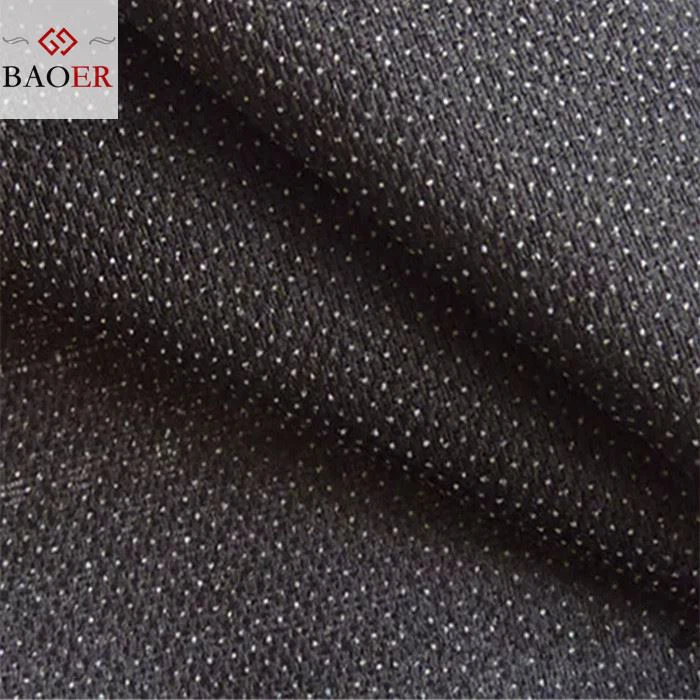

Understanding Woven Interlining Fabric
Woven interlining fabric is a type of textile product that is used to provide support, stiffness, and shape retention to other fabrics. It is typically made by weaving fibers together in a specific pattern. The properties of woven interlining fabric can vary widely depending on the type of fibers used, the weaving technique, and the finishing processes. Common fibers used in woven interlining fabric include polyester, cotton, and a blend of both. These fibers offer different characteristics such as durability, flexibility, and resistance to wrinkling.
For instance, Polyester Woven Fusible Interlining is known for its strength and easy care properties. It can be fused to other fabrics using heat, which makes it a popular choice for applications where a strong bond is required. On the other hand, Bonded Blackout Interlining is designed to block out light and is often used in curtains and other applications where light control is important.
Compatibility with Leather Goods
The first consideration when thinking about using woven interlining fabric in leather goods is compatibility. Leather is a natural material with its own unique properties, such as flexibility, breathability, and durability. Woven interlining fabric needs to be able to work in harmony with these properties without compromising the integrity of the leather.
One of the main advantages of using woven interlining fabric in leather goods is the added support and structure it can provide. Leather products, especially bags and wallets, often require a certain level of stiffness to maintain their shape. A well - chosen woven interlining fabric can give the leather the necessary rigidity without making it too stiff or heavy. For example, a light - weight woven polyester interlining can be used to reinforce the edges of a leather bag, preventing it from sagging over time.
Another aspect is the aesthetic impact. Woven interlining fabric can be selected to enhance the overall look of the leather goods. Some interlinings have a smooth finish that can give the leather a more refined appearance. Additionally, the choice of interlining can also affect the texture of the leather product, adding a subtle or prominent touch depending on the design.
Types of Woven Interlining for Leather Goods
- Light - weight Woven Interlinings: These are suitable for leather products where flexibility is still a key requirement. For example, in the production of leather jackets, a light - weight polyester or cotton blend woven interlining can be used. It gives the jacket a bit of structure without restricting movement. Such interlinings can be easily sewn into the leather layers, ensuring a seamless integration.
- Medium - weight Woven Interlinings: Ideal for leather bags and wallets. They provide a good balance between stiffness and flexibility. Woven Interlining Fabric of medium weight can help the bag maintain its shape while still allowing it to be handled comfortably. It can also add a layer of protection to the leather, preventing it from stretching or deforming under normal use.
- Heavy - weight Woven Interlinings: These are used for large - scale leather products such as suitcases or some types of leather furniture. They offer maximum support and rigidity, ensuring that the product retains its shape even under heavy loads.
Application Methods
There are several ways to apply woven interlining fabric to leather goods. One common method is sewing. Sewing allows for a strong and permanent attachment between the leather and the interlining. It is a traditional method that gives the maker more control over the placement of the interlining. However, it can be time - consuming, especially for complex designs.
Another method is using adhesives. Some woven interlining fabrics are designed to be bonded to leather using special adhesives. This method is faster and can create a more uniform bond. However, it is important to choose an adhesive that is compatible with both the leather and the interlining fabric to avoid any damage or discoloration.
Considerations and Challenges
- Colorfastness: When using woven interlining fabric in leather goods, colorfastness is crucial. The interlining should not bleed or transfer color onto the leather, especially if the leather has a light or natural color. It is important to test the interlining fabric for colorfastness before using it in a large - scale production.
- Breathability: Leather is a breathable material, and the interlining fabric should not overly restrict this property. If the interlining is too thick or non - breathable, it can cause the leather to become stuffy and may lead to unpleasant odors or even mold growth in some cases.
- Compatibility with Leather Treatments: Leather often undergoes various treatments such as tanning, dyeing, and finishing. The woven interlining fabric should be able to withstand these treatments without being damaged or losing its properties.
Case Studies
Let's look at a few real - world examples of how woven interlining fabric has been successfully used in leather goods. A well - known leather goods brand used a medium - weight polyester woven interlining in their new line of handbags. The interlining provided the necessary structure to keep the bags in shape, and its smooth finish enhanced the overall look of the leather. Customers appreciated the durability and the stylish appearance of the bags.
Another case is a small leather workshop that used a light - weight cotton blend woven interlining in their leather jackets. The interlining allowed the jackets to maintain a bit of stiffness while still being comfortable to wear. The workshop reported an increase in customer satisfaction due to the improved fit and feel of the jackets.
Conclusion
In conclusion, woven interlining fabric can indeed be used in leather goods and offers many benefits. From providing support and structure to enhancing the aesthetic appeal, it can elevate the quality of leather products. However, careful consideration must be given to factors such as compatibility, application methods, and potential challenges.
As a supplier of high - quality woven interlining fabric, I am confident that our products can meet the diverse needs of the leather goods industry. Whether you are a small leather workshop or a large - scale manufacturer, we have the right interlining fabric for your projects. If you are interested in learning more about our products or discussing how they can be used in your leather goods production, please do not hesitate to get in touch. We look forward to the opportunity to work with you and contribute to the success of your leather products.
References
- "Textile Science and Technology" by V. B. Gupta
- "Leather Technology Handbook" by A. J. Leatherwood
- Industry research reports on leather goods manufacturing and textile applications.
