


Hey there! I'm a supplier of dress interlining, and today I wanna chat about how dress interlining affects the mobility of a dress. It's a topic that doesn't get enough attention, but it's super important, especially when you're designing or wearing a dress.
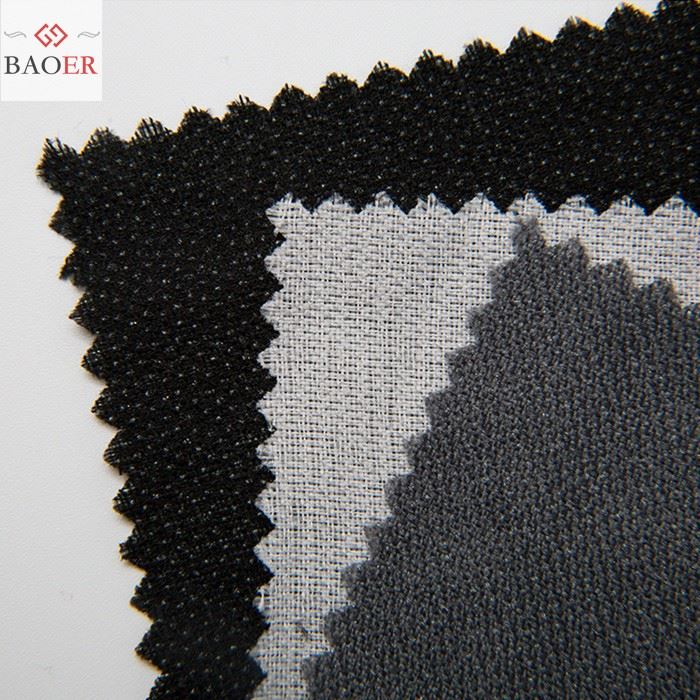

First off, let's talk about what dress interlining is. It's basically an extra layer of fabric that's added between the outer fabric of a dress and the lining. This layer can be made from different materials, like cotton, polyester, or even a blend of both. Each type of interlining has its own unique properties, and these properties can have a big impact on how a dress moves.
One of the most obvious ways that interlining affects mobility is through its stiffness. Some interlinings are quite stiff, while others are more flexible. A stiff interlining can give a dress a lot of structure, which is great for creating a certain silhouette. For example, if you're making a structured blazer dress, a stiff interlining can help it hold its shape and look sharp. However, this stiffness can also limit the dress's mobility. When you move your arms or torso, a stiff interlining might not bend or stretch with you, making the dress feel restrictive.
On the other hand, a flexible interlining allows for more movement. It can stretch and bend along with your body, so you can move freely without feeling like the dress is holding you back. This is especially important for dresses that are meant to be worn for activities that require a lot of movement, like dancing or running errands. For instance, a Waist Band Interlining Fabric that's flexible can ensure that the waistband of your dress doesn't dig in or restrict your movement when you sit or bend.
Another factor to consider is the weight of the interlining. Heavier interlinings can add more bulk to a dress, which can also affect mobility. A heavy interlining might make the dress feel cumbersome and slow you down. It can also make it harder to move your limbs freely, as the extra weight can pull on the fabric and create resistance. In contrast, a lightweight interlining is less likely to have this effect. It can provide the necessary support without adding too much bulk, allowing you to move more easily.
The thickness of the interlining is also crucial. A thick interlining can make a dress less breathable, which can be uncomfortable when you're moving around and generating heat. This lack of breathability can also make the dress feel sticky and restrict your movement. A thinner interlining, on the other hand, is more breathable and can keep you cool and comfortable, even when you're on the go.
Let's take a look at some specific types of dresses and how interlining affects their mobility. For a wedding dress, the choice of interlining is very important. A Wedding Dress Lining Fabric needs to provide enough support to hold the shape of the dress, but it also needs to allow the bride to move gracefully. A stiff interlining might be used in areas like the bodice to create a structured look, but a more flexible interlining should be used in the skirt to allow for easy movement when walking down the aisle or dancing at the reception.
For a winter dress, a Thinsulate Interlining Fabric can be a great choice. Thinsulate is known for its warmth and insulation properties, but it's also lightweight and flexible. This means that you can stay warm without sacrificing mobility. You'll be able to move around freely in the cold weather, whether you're going for a walk or attending a winter event.
Now, you might be wondering how to choose the right interlining for your dress to ensure maximum mobility. Well, it depends on the style and purpose of the dress. If it's a formal dress that requires a lot of structure, you might want to choose a stiffer interlining in some areas, but make sure to use a more flexible one in areas where you need to move a lot. If it's a casual dress for everyday wear, a lightweight and flexible interlining is probably the way to go.
As a dress interlining supplier, I've seen firsthand how the right choice of interlining can make a huge difference in a dress's mobility. I work with designers and manufacturers to help them select the best interlining for their specific needs. Whether you're looking for a stiff interlining to create a structured look or a flexible one for maximum movement, I've got a wide range of options to choose from.
If you're in the market for dress interlining and want to improve the mobility of your dresses, I'd love to chat with you. I can provide samples and advice to help you make the right choice. Just reach out, and we can start a conversation about how my interlining products can take your dresses to the next level.
In conclusion, dress interlining plays a significant role in the mobility of a dress. The stiffness, weight, thickness, and type of interlining all affect how easily you can move in a dress. By choosing the right interlining, you can ensure that your dress not only looks great but also allows you to move freely and comfortably. So, don't overlook the importance of interlining when designing or wearing a dress – it can make all the difference!
References
- Textile Science and Clothing Technology textbooks
- Industry reports on dress manufacturing and interlining materials
