


Dress interlining, an often overlooked yet crucial element in the world of fashion, plays a significant role in shaping the overall style of a dress. As a dress interlining supplier, I have witnessed firsthand how the right interlining can transform a simple piece of fabric into a masterpiece. In this blog, I will explore the various ways in which dress interlining affects the style of a dress and why it is an essential consideration for designers and dressmakers.
Structure and Shape
One of the primary functions of dress interlining is to provide structure and shape to a dress. Different types of interlinings have varying degrees of stiffness and stability, which can be used to create different silhouettes. For example, a stiff interlining can be used to support the bodice of a ball gown, giving it a structured and elegant shape. On the other hand, a softer interlining can be used for a more flowing and relaxed style, such as a summer dress.
The Waist Band Interlining Fabric is a great example of how interlining can enhance the structure of a dress. It is specifically designed to provide support and shape to the waist area, helping to create a flattering hourglass figure. By using this type of interlining, designers can ensure that the waistband of a dress stays in place and maintains its shape throughout the day.
Drape and Movement
In addition to providing structure, dress interlining can also affect the drape and movement of a dress. The weight and texture of the interlining can influence how the fabric falls and moves on the body. A lightweight interlining will allow the fabric to drape more freely, creating a fluid and elegant look. This is particularly important for evening gowns and flowing dresses, where the movement of the fabric is a key part of the style.
Conversely, a heavier interlining can restrict the movement of the fabric, giving the dress a more structured and formal appearance. This is often used in tailored suits and business dresses, where a crisp and professional look is desired. The Thinsulate Interlining Fabric is a popular choice for dresses that require both warmth and a good drape. It is lightweight and provides excellent insulation, allowing the fabric to move freely while keeping the wearer comfortable.
Surface Texture and Appearance
Dress interlining can also have a significant impact on the surface texture and appearance of a dress. The interlining can add body and fullness to the fabric, making it look more luxurious and substantial. It can also help to smooth out any wrinkles or unevenness in the fabric, giving the dress a more polished and refined look.
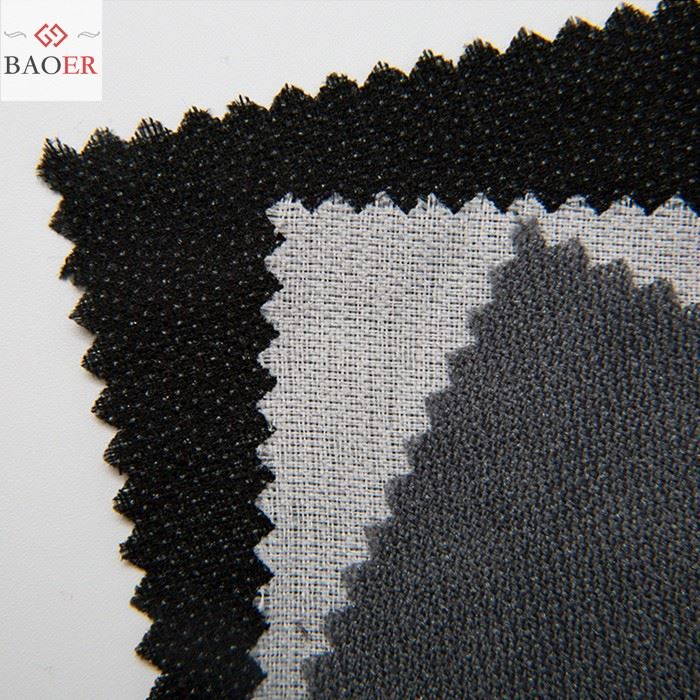

For example, a fusible interlining can be used to create a smooth and even surface on the fabric, making it easier to sew and giving the dress a professional finish. The Wedding Dress Lining Fabric is another type of interlining that can enhance the surface texture and appearance of a dress. It is often used to line the inside of a wedding dress, adding a layer of softness and elegance to the garment.
Color and Transparency
While the color of the interlining is usually not visible on the outside of the dress, it can still affect the overall appearance of the fabric. A white or light-colored interlining can make the fabric appear brighter and more vibrant, while a dark-colored interlining can give the fabric a deeper and richer tone.
In addition, the transparency of the interlining can also have an impact on the look of the dress. A sheer interlining can be used to add a layer of depth and dimension to the fabric, while a opaque interlining can provide more coverage and support. This is particularly important for sheer or lightweight fabrics, where the interlining can help to prevent the fabric from being too see-through.
Durability and Longevity
Finally, dress interlining can also improve the durability and longevity of a dress. By providing support and structure to the fabric, the interlining can help to prevent it from stretching, sagging, or losing its shape over time. This is especially important for dresses that are worn frequently or for special occasions, where the dress needs to maintain its appearance and quality.
A high-quality interlining can also help to protect the fabric from wear and tear, making the dress last longer. For example, a fusible interlining can be used to reinforce the seams and edges of the fabric, preventing them from fraying or coming apart. This can save the wearer time and money on repairs and alterations.
Conclusion
In conclusion, dress interlining is a vital component in the creation of a stylish and well-made dress. It can affect the structure, drape, movement, surface texture, color, and durability of the fabric, all of which contribute to the overall style of the dress. As a dress interlining supplier, I understand the importance of choosing the right interlining for each project. Whether you are a designer, dressmaker, or someone who loves fashion, I encourage you to consider the role of interlining in your next dressmaking endeavor.
If you are interested in learning more about our dress interlining products or would like to discuss your specific requirements, please feel free to contact us. We would be happy to help you find the perfect interlining for your dress and provide you with the support and guidance you need to create a beautiful and stylish garment.
References
- Fashion Institute of Technology. (n.d.). Dress Interlining: A Guide to Understanding and Using Interlinings. Retrieved from [Fashion Institute of Technology website]
- McCall's Sewing Encyclopedia. (2004). Interlinings. In McCall's Sewing Encyclopedia (pp. 222-227). New York: Time-Life Books.
- Poynor, R. (2003). Interlinings: Their Function and Use in Garment Construction. In Encyclopedia of Textiles (pp. 456-458). New York: Routledge.
