


How does lining and interlining impact the abrasion resistance of clothing?
As a seasoned lining and interlining supplier, I've witnessed firsthand the transformative power these components have on clothing. Abrasion resistance is a critical factor in the durability and longevity of garments, especially in high - stress areas. In this blog, I'll explore how lining and interlining can significantly influence a piece of clothing's ability to withstand wear and tear.
The Basics of Abrasion Resistance in Clothing
Abrasion resistance refers to the ability of a fabric to resist surface wear and damage caused by friction. This is an essential quality in clothing, as it determines how long the garment will remain in good condition, especially in areas that are in constant contact with other surfaces, such as the elbows, knees, and shoulders. Without adequate abrasion resistance, clothing can quickly develop holes, fraying, and a worn - out appearance.
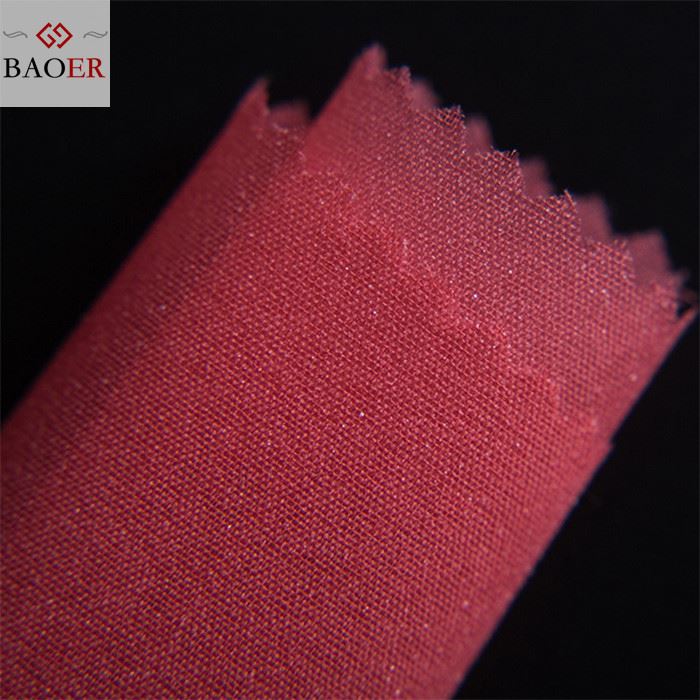

The Role of Lining in Enhancing Abrasion Resistance
Lining serves as an inner layer in clothing, providing a protective barrier between the outer fabric and the wearer's body or other surfaces. It can also play a crucial role in improving abrasion resistance in several ways.
Reducing Friction
One of the primary functions of lining is to reduce friction between the outer fabric and internal surfaces. When you slide your arms through a jacket or bend your knees in pants, the lining minimizes the rubbing and chafing that can cause the outer fabric to wear out. By acting as a buffer, the lining distributes the friction more evenly, protecting the delicate fibers of the outer fabric from excessive stress.
Reinforcing High - Wear Areas
Lining can be strategically placed in high - wear areas to reinforce the garment. For example, in a work jacket, lining can be added to the elbows and shoulders to provide extra protection. This not only extends the lifespan of the jacket but also improves its overall durability.
Protecting Against Body - Induced Wear
The natural oils, sweat, and movement of the body can cause significant wear on clothing over time. A lining acts as a shield, preventing these body substances from directly contacting the outer fabric. This helps to preserve the color, texture, and integrity of the outer layer, making it less likely to show signs of abrasion.
The Impact of Interlining on Abrasion Resistance
Interlining is the layer placed between the outer fabric and the lining. It plays a multifaceted role in enhancing a garment's performance, including its abrasion resistance.
Adding Structural Support
Interlining provides structural support to the fabric, helping it maintain its shape and resist deformation. When a fabric is well - supported, it is less likely to stretch or warp under pressure, which in turn reduces the risk of abrasion. For example, in a suit jacket, a properly fused interlining can prevent the fabric from sagging or wrinkling in the high - stress areas around the collar and shoulders, ensuring that the fabric remains intact and less prone to wear.
Improving Fabric Stiffness
The right interlining can increase the stiffness of the fabric, making it more resilient to abrasion. A stiffer fabric is less likely to bunch up or crease, which can cause friction and damage. For instance, in a pair of jeans, a stiff interlining can be added to the back pockets to prevent them from wearing out due to excessive rubbing against the seat of a chair or other hard surfaces.
Enhancing the Bond Between Layers
Interlining can also improve the bond between the outer fabric and the lining. A strong bond ensures that the layers work together effectively to resist abrasion. When the layers are well - integrated, they distribute the forces of friction more evenly, protecting the fabric from damage.
Types of Lining and Interlining Materials and Their Abrasion Resistance Properties
There are various types of lining and interlining materials available, each with its own unique properties and impact on abrasion resistance.
Woven Lining and Interlining
Woven materials are known for their strength and durability. In the context of abrasion resistance, woven lining and interlining can provide excellent protection. Woven fabrics have a tight structure that resists tearing and fraying. For example, a Woven Adhesive Interlining can be used to add strength and stability to a garment, making it more resistant to abrasion.
Non - woven Lining and Interlining
Non - woven materials are often lighter and more flexible than woven materials. They are also known for their good abrasion resistance, especially in applications where flexibility is key. Non - woven interlining can conform to the shape of the body, reducing the risk of creasing and friction. You can explore more about Woven and Non Woven Fabric to understand their differences and applications.
Microdot Fusible Woven Fusing Interlining
Microdot Fusible Woven Fusing Interlining is a specialized type of interlining that offers high - performance abrasion resistance. The microdot application allows for a more precise and even distribution of the adhesive, creating a strong bond between the layers. This results in a garment that is not only more durable but also maintains a good balance between stiffness and flexibility.
Practical Considerations in Using Lining and Interlining for Abrasion Resistance
When choosing lining and interlining materials to enhance abrasion resistance, several practical considerations should be taken into account.
Compatibility with the Outer Fabric
It's crucial to ensure that the lining and interlining are compatible with the outer fabric. Different fabrics have different properties, such as stretch, weight, and texture. The lining and interlining should complement these properties to achieve the best result. For example, if the outer fabric is a lightweight and stretchy material, a flexible and lightweight lining and interlining should be chosen.
Ease of Application
The ease of application of the lining and interlining is also an important factor. Some materials require special equipment or techniques for installation. As a supplier, we can provide guidance on the most suitable application methods to ensure a successful and long - lasting bond between the layers.
Cost - effectiveness
While enhancing abrasion resistance is important, cost - effectiveness is also a consideration for many clothing manufacturers. We offer a range of lining and interlining products at different price points, allowing manufacturers to choose the most appropriate solution based on their budget and requirements.
Conclusion
Lining and interlining play a vital role in enhancing the abrasion resistance of clothing. By reducing friction, providing structural support, and protecting the outer fabric from wear and tear, they can significantly extend the lifespan of garments. As a lining and interlining supplier, we are committed to providing high - quality materials that meet the specific needs of our customers.
If you're a clothing manufacturer looking to improve the abrasion resistance of your products, I invite you to reach out to us for a consultation. We can help you select the most suitable lining and interlining materials for your designs and provide the technical support you need for a successful production process.
References
- ASTM International. "Standard Test Methods for Abrasion Resistance of Textile Fabrics (Rotary Platform, Double - Head Method)." ASTM D4966 - 16. Accessed on [date].
- Textile Institute. "The Science of Textiles." Various publications on fabric properties and durability. Accessed on [date].
- Clothing Industry Journal. "Innovations in Lining and Interlining for Enhanced Durability." Multiple articles discussing the latest trends in textile technology. Accessed on [date].
