


Hey there, fashion enthusiasts and suit lovers! As a suit interlining supplier, I've spent years diving deep into the world of suit construction. One question that often pops up in my conversations with customers is, "How does suit interlining affect the breathability of a suit?" Well, let's unpack this topic together.
First off, let's understand what suit interlining is. In simple terms, interlining is the layer of fabric that's placed between the outer fabric and the lining of a suit. It plays a crucial role in giving the suit its shape, structure, and durability. But when it comes to breathability, not all interlinings are created equal.
There are several types of suit interlining, and each has its own impact on how well your suit breathes. One of the most popular types is the Canvas Interlining Fabric. Canvas interlining is known for its natural fibers, usually made from cotton or a blend of cotton and linen. These natural fibers have excellent breathability properties. They allow air to circulate freely through the suit, which helps to keep you cool and comfortable, even on warm days.
The porous nature of canvas interlining means that it can absorb and release moisture effectively. When you sweat, the canvas interlining wicks away the moisture from your body, preventing that sticky and uncomfortable feeling. This is especially important if you're someone who spends a lot of time on your feet or in a hot environment. For example, if you're a businessman who has to attend back - to - back meetings throughout the day, a suit with canvas interlining will keep you feeling fresh and dry.
Another type of interlining is the Interlining for Suits. This can refer to a variety of interlinings, including both fusible and non - fusible options. Fusible interlinings are attached to the outer fabric using heat and adhesive, while non - fusible interlinings are sewn in. The choice between fusible and non - fusible can also affect breathability.
Fusible interlinings, while convenient and cost - effective, can sometimes reduce breathability. The adhesive used in the fusing process can create a barrier that restricts air flow. This can make the suit feel stuffy, especially in areas where the interlining is thick. On the other hand, non - fusible interlinings, which are sewn in, generally allow for better air circulation. They don't have the adhesive barrier, so the suit can breathe more freely.
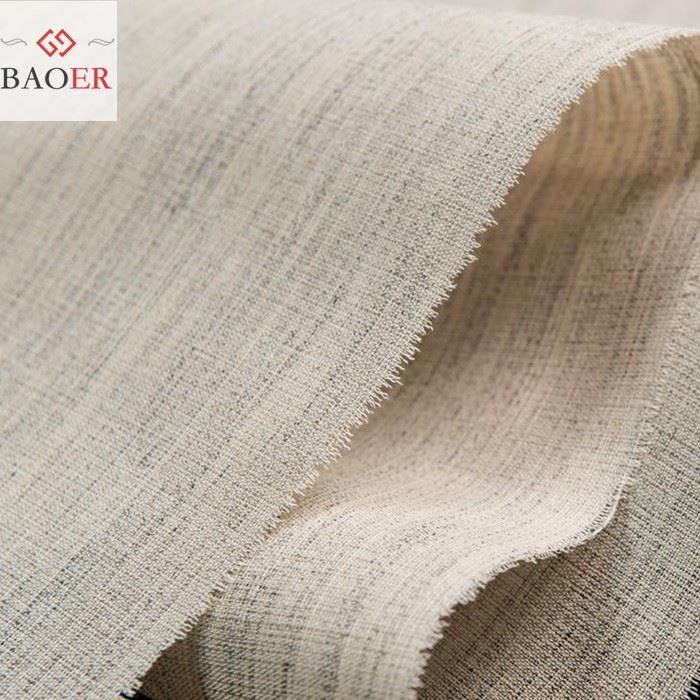

Now, let's talk about Jacquard Interlining Fabric. Jacquard interlinings are known for their intricate patterns and designs. They are often made from a blend of synthetic and natural fibers. The synthetic fibers in jacquard interlining can provide strength and shape retention, while the natural fibers contribute to breathability.
However, the ratio of synthetic to natural fibers is crucial. If the jacquard interlining has a high percentage of synthetic fibers, it may reduce breathability. Synthetic fibers like polyester are less breathable than natural fibers because they don't allow air to pass through as easily. They also tend to trap moisture, which can make you feel hot and sweaty. But if the blend is well - balanced, with a good amount of natural fibers, the jacquard interlining can offer a combination of style and breathability.
The thickness of the interlining also plays a significant role in breathability. Thicker interlinings generally provide more structure and shape to the suit, but they can also reduce breathability. A thick interlining can act as an insulator, trapping heat and moisture inside the suit. This is why lightweight interlinings are often preferred for summer suits or for those who live in warm climates.
On the other hand, thinner interlinings allow for better air flow. They are more suitable for suits that are meant to be worn in more casual settings or during warmer seasons. For example, a thin canvas interlining can give a suit a relaxed and breathable feel, perfect for a weekend brunch or a summer wedding.
The construction of the suit itself can also affect how the interlining impacts breathability. A well - made suit with proper ventilation features, such as vents in the back or under the arms, can enhance the breathability of the interlining. These vents allow hot air to escape and fresh air to enter the suit, improving overall comfort.
In addition, the way the interlining is cut and placed in the suit matters. If the interlining is cut too tightly or placed in areas where there is a lot of movement, it can restrict air flow. For example, if the interlining around the sleeves is too tight, it can prevent air from circulating freely in that area, making your arms feel hot and uncomfortable.
As a suit interlining supplier, I've seen firsthand how the right choice of interlining can make a huge difference in the breathability and comfort of a suit. Whether you're a suit manufacturer looking for the best interlining for your products or an individual looking to buy a new suit, it's important to consider breathability.
If you're interested in learning more about our range of suit interlinings or have any questions about how they can affect the breathability of your suits, I'd love to hear from you. We can have a detailed discussion about your specific needs and find the perfect interlining solution for you. Whether you're looking for a breathable canvas interlining for a summer collection or a durable interlining for a formal suit line, we've got you covered.
So, don't hesitate to reach out for a friendly chat and let's start a conversation about how we can make your suits more breathable and comfortable. Let's work together to create suits that not only look great but also feel great to wear.
References
- Men's Suiting: The Complete Guide. By Nick Sullivan.
- The Art of Tailoring. By Christopher Breward.
