


As a supplier of woven interlining fabric, I've witnessed firsthand the crucial role that elasticity recovery plays in determining the overall performance of this essential textile component. In this blog post, I'll delve into the science behind elasticity recovery and explore how it impacts the functionality, durability, and aesthetic appeal of woven interlining fabrics.
Understanding Elasticity Recovery
Elasticity recovery refers to the ability of a material to return to its original shape after being stretched or deformed. In the context of woven interlining fabric, this property is particularly important because it allows the fabric to maintain its structure and shape over time, even when subjected to repeated stress and strain.
The elasticity recovery of woven interlining fabric is influenced by several factors, including the type of fibers used, the weave structure, and the finishing treatments applied. For example, fabrics made from natural fibers such as cotton or wool tend to have lower elasticity recovery than those made from synthetic fibers such as polyester or nylon. Similarly, fabrics with a tight weave structure are generally more elastic than those with a loose weave.
Impact on Functionality
One of the primary ways in which elasticity recovery affects the performance of woven interlining fabric is by enhancing its functionality. When used in garments, interlining fabric provides support and structure, helping to maintain the shape of the garment and prevent it from sagging or stretching out of shape. A high elasticity recovery ensures that the interlining fabric can withstand the stresses of daily wear and washing, while still retaining its ability to provide support and structure over time.
For example, in men's suits, woven interlining fabric is often used in the chest, collar, and cuffs to provide stiffness and shape. A fabric with good elasticity recovery will ensure that these areas maintain their shape even after repeated wear and pressing, resulting in a more professional and polished appearance. Similarly, in women's dresses, interlining fabric can be used to add body and support to the bodice, creating a more flattering silhouette.
Impact on Durability
In addition to enhancing functionality, elasticity recovery also plays a crucial role in determining the durability of woven interlining fabric. Fabrics with good elasticity recovery are better able to withstand the stresses of daily wear and washing, which can help to extend their lifespan and reduce the need for frequent replacement.
When a fabric is stretched or deformed, the fibers within the fabric are subjected to stress. If the fabric has poor elasticity recovery, these fibers may become permanently damaged or broken, resulting in a loss of strength and durability. On the other hand, a fabric with good elasticity recovery can withstand repeated stretching and deformation without suffering permanent damage, ensuring that it remains strong and durable over time.
Impact on Aesthetic Appeal
Another important aspect of the performance of woven interlining fabric is its aesthetic appeal. A fabric with good elasticity recovery can help to enhance the overall appearance of a garment by providing a smooth, even surface and preventing wrinkles and creases from forming.
For example, in high-end fashion garments, woven interlining fabric is often used to create a crisp, professional look. A fabric with good elasticity recovery will ensure that the garment maintains its shape and appearance, even after extended periods of wear. Similarly, in home decor applications, interlining fabric can be used to add structure and support to curtains, upholstery, and other textile products, creating a more polished and refined look.
Choosing the Right Woven Interlining Fabric
When selecting a woven interlining fabric, it's important to consider the specific requirements of your application. Factors such as the type of garment or product, the level of support and structure needed, and the desired aesthetic appeal will all play a role in determining the most suitable fabric.
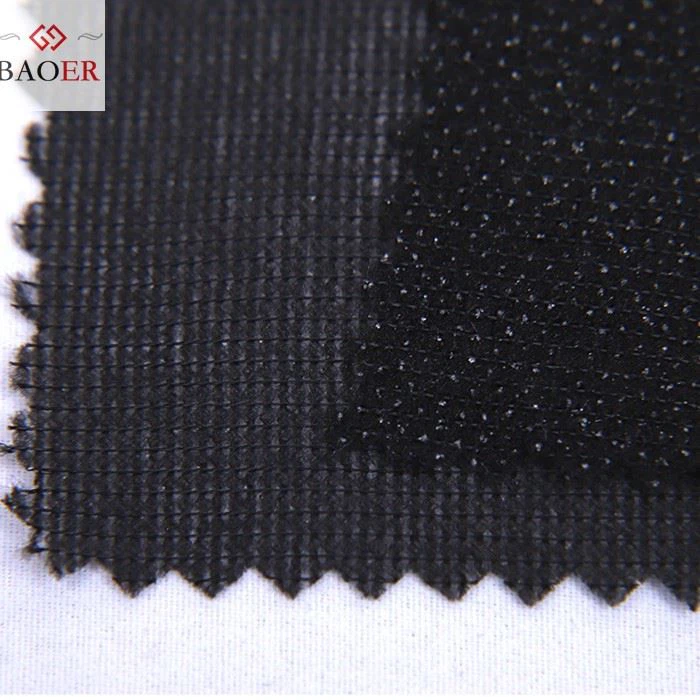
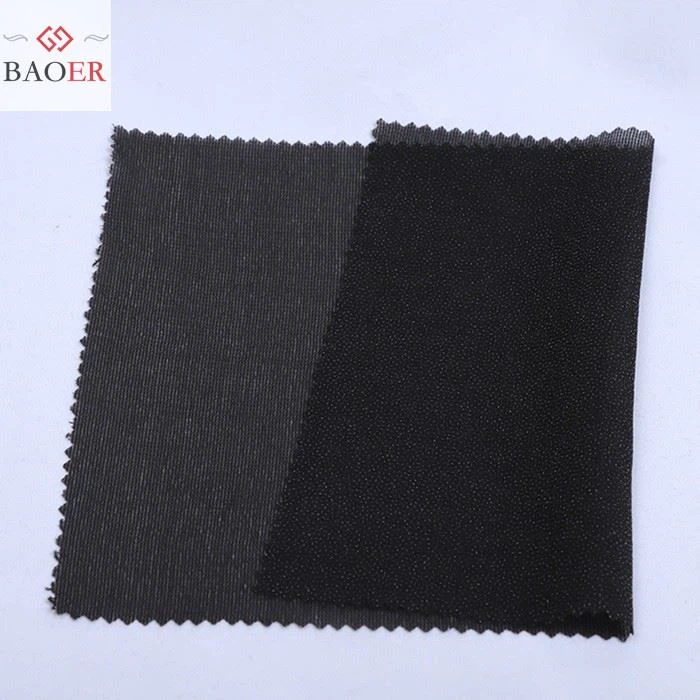
At our company, we offer a wide range of woven interlining fabrics, including Thermo Bond Woven Interlining, Woven Fusible Garment Interlining Fabric, and Lining and Interlining Fabric. Our fabrics are made from high-quality materials and are designed to provide excellent elasticity recovery, durability, and aesthetic appeal.
Whether you're a fashion designer, a garment manufacturer, or a home decor enthusiast, we can help you find the perfect woven interlining fabric for your needs. Our team of experts is available to provide you with personalized advice and guidance, ensuring that you make the right choice for your project.
Conclusion
In conclusion, the elasticity recovery of woven interlining fabric is a critical factor that affects its performance in a variety of applications. By understanding the science behind elasticity recovery and how it impacts functionality, durability, and aesthetic appeal, you can make informed decisions when selecting a woven interlining fabric for your project.
If you're interested in learning more about our woven interlining fabrics or would like to discuss your specific requirements, please don't hesitate to contact us. We'd be happy to help you find the perfect fabric for your needs and answer any questions you may have.
References
- ASTM International. (2021). Standard Test Method for Tensile Properties of Textile Fabrics. ASTM D5034-19.
- Textile Institute. (2019). Handbook of Textile Fibre Structure. Woodhead Publishing.
- Vilensky, J. (2018). Textile Science: An Introduction. Pearson.
