


As a supplier of woven interlining lining, I've witnessed firsthand how crucial it is for this material to perform well in various climates. Woven interlining lining is a key component in the garment industry, providing structure, shape, and stability to fabrics. In this blog, I'll explore how woven interlining lining behaves in different climates, from the sweltering heat of tropical regions to the freezing cold of polar areas.
Tropical Climates
Tropical climates are characterized by high temperatures and humidity levels throughout the year. In such conditions, the performance of woven interlining lining can be significantly affected. One of the primary concerns in tropical climates is moisture management. High humidity can cause the interlining to absorb moisture, leading to a variety of issues.
Firstly, the absorption of moisture can make the interlining heavier, which may alter the drape and feel of the garment. This can be particularly problematic for lightweight and delicate fabrics, as the added weight can make the garment look and feel bulky. Additionally, moist interlining can become a breeding ground for mold and mildew, which not only damages the interlining but can also pose health risks to the wearer.
To address these issues, it's essential to choose a woven interlining lining that has good moisture-wicking properties. Woven Adhesive Interlining is a great option in tropical climates. It is designed to quickly transfer moisture away from the fabric, keeping the garment dry and comfortable. This type of interlining also resists mold and mildew growth, ensuring the longevity of the garment.
Another factor to consider in tropical climates is breathability. The high temperatures mean that the body needs to breathe, and a non-breathable interlining can trap heat and moisture, leading to discomfort. Look for woven interlining linings that are made from natural fibers or have a porous structure, as these tend to be more breathable. Woven and Non Woven Fabric options can offer a good balance of breathability and support, making them suitable for tropical wear.
Arid Climates
Arid climates are known for their low humidity and high temperatures during the day, with significant temperature drops at night. In these conditions, the main challenge for woven interlining lining is maintaining its integrity in the face of extreme temperature variations.
During the day, the high temperatures can cause the interlining to become brittle and lose its elasticity. This can lead to cracking and splitting, which can compromise the structure of the garment. To prevent this, it's important to choose a woven interlining lining that has good heat resistance. Thermo Bond Woven Interlining is an excellent choice for arid climates. It is designed to withstand high temperatures without losing its shape or strength.
At night, when the temperatures drop significantly, the interlining needs to be flexible enough to adapt to the changes. A rigid interlining can cause the garment to feel stiff and uncomfortable, especially when the body moves. Look for interlinings that have a certain degree of flexibility, even in cold temperatures. Some synthetic fibers used in woven interlining linings can offer this flexibility, making them suitable for arid climates.
Another consideration in arid climates is the potential for static electricity. The dry air can cause static to build up on the interlining, which can attract dust and lint and make the garment look unkempt. To combat static, some woven interlining linings are treated with anti-static agents. These treatments help to reduce the build-up of static electricity, keeping the garment clean and looking its best.
Temperate Climates
Temperate climates have four distinct seasons, with moderate temperatures and varying levels of humidity. In these climates, woven interlining lining needs to be versatile enough to perform well in different conditions.
During the spring and fall, when the temperatures are mild and the humidity is moderate, most types of woven interlining lining can perform well. However, it's still important to consider the weight and thickness of the interlining. For lighter garments, a thinner interlining may be sufficient, while for heavier outerwear, a thicker and more supportive interlining may be required.
In the summer, when the temperatures rise, the same considerations as in tropical climates apply. Breathability and moisture management are key. Look for interlinings that are lightweight and breathable to keep the wearer cool and comfortable. In the winter, when the temperatures drop, the interlining needs to provide insulation. Woven interlining linings made from natural fibers such as wool or cotton can offer good insulation properties, helping to keep the body warm.
Overall, in temperate climates, it's a matter of choosing the right type of woven interlining lining for the specific season and the type of garment. A supplier with a wide range of products, like ours, can offer the flexibility to meet these diverse needs.
Polar Climates
Polar climates are characterized by extremely cold temperatures and high winds. In these conditions, the primary function of woven interlining lining is to provide insulation and protection against the cold.

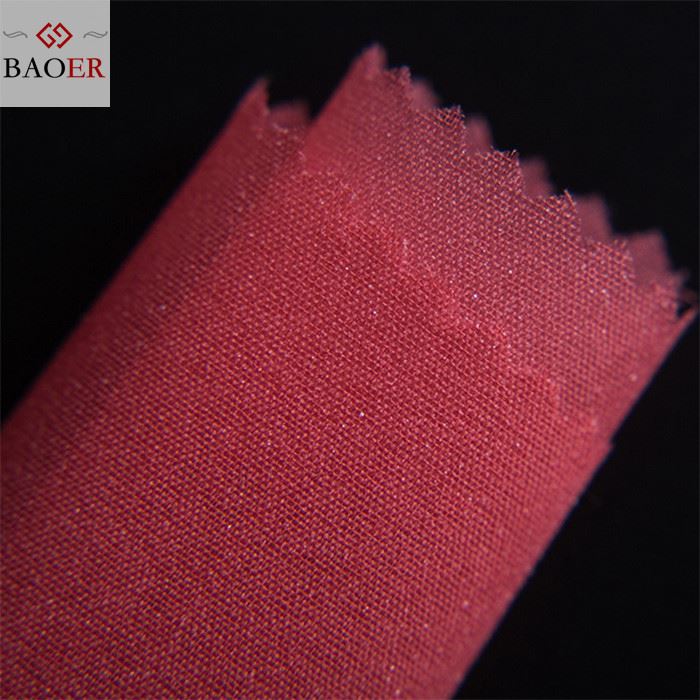
Insulation is crucial in polar climates, as the body needs to retain heat to stay warm. Woven interlining linings made from thick, warm materials such as wool or synthetic insulation fibers are ideal. These materials trap air between their fibers, creating a layer of insulation that helps to keep the body warm.
Another important factor in polar climates is durability. The high winds and harsh conditions can put a lot of stress on the garment, and the interlining needs to be able to withstand this. Look for woven interlining linings that are strong and resistant to tearing. Some interlinings are also treated to be water-resistant, which is important in case of snow or ice.
In addition to insulation and durability, the interlining needs to be flexible enough to allow for movement. A rigid interlining can restrict movement and make it difficult to perform tasks in the cold. Choose an interlining that has a good balance of flexibility and support.
Conclusion
In conclusion, the performance of woven interlining lining varies greatly depending on the climate. In tropical climates, moisture management and breathability are key, while in arid climates, heat resistance and flexibility are important. Temperate climates require versatility, and polar climates demand insulation and durability.
As a supplier of woven interlining lining, we understand the unique requirements of different climates and offer a wide range of products to meet these needs. Whether you're a garment manufacturer looking for the perfect interlining for your products or a consumer in search of high-quality clothing, we can provide the solutions you need.
If you're interested in learning more about our woven interlining lining products or have specific requirements for a particular climate, please don't hesitate to contact us. We're here to help you make the right choice and ensure the success of your projects.
References
- Textile Research Journal. "Performance of Woven Interlinings in Different Environmental Conditions."
- International Journal of Clothing Science and Technology. "The Impact of Climate on Woven Interlining Lining Properties."
