


Hey there! I'm a supplier of Woven Interlining Fabric, and I know how frustrating it can be when your fabric shrinks. Shrinkage can mess up your projects big time, whether you're a DIY enthusiast or a professional in the textile industry. In this blog, I'm gonna share some tips on how to prevent woven interlining fabric from shrinking.
First off, let's understand why woven interlining fabric shrinks in the first place. There are a few main reasons. One is the nature of the fibers used. Natural fibers like cotton and wool are more prone to shrinkage compared to synthetic fibers. When these natural fibers get wet or are exposed to heat, the fibers can contract, causing the fabric to shrink. Another reason is the manufacturing process. If the fabric isn't properly pre - shrunk during production, it's likely to shrink when you use it.
Pre - treatment of the Fabric
The first step in preventing shrinkage is pre - treating the fabric. This is super important, especially if you're using natural fiber - based woven interlining.
Washing and Drying
One common method is to wash the fabric before you start using it. But you gotta be careful with the washing process. Use cold water and a gentle cycle. Hot water can cause the fibers to contract more, leading to shrinkage. When it comes to detergent, choose a mild one. Harsh detergents can damage the fibers and also contribute to shrinkage.
After washing, don't just throw the fabric in the dryer on high heat. Instead, opt for a low - heat setting or air - dry it. High heat in the dryer is a major culprit for shrinkage. If you air - dry the fabric, lay it flat on a clean surface. Hanging the fabric can cause it to stretch unevenly while it dries, which might also affect its dimensions.
Heat Setting
Another pre - treatment method is heat setting. This is especially useful for synthetic woven interlining fabrics like Polyester Woven Fusible Interlining. You can use an iron on a low - heat setting. Make sure to iron the fabric evenly, moving the iron in a smooth motion. Don't press too hard, as this can distort the fabric. Heat setting helps to stabilize the fibers and reduces the chances of shrinkage during later use.
Proper Storage
How you store your woven interlining fabric also plays a role in preventing shrinkage.
Avoid Moisture
Moisture is the enemy of woven interlining fabric. Keep the fabric in a dry place. If it's stored in a damp environment, the fibers can absorb the moisture, which might lead to shrinkage when the fabric dries. You can use moisture - absorbing packets in the storage area to keep the humidity levels low.
Folding and Rolling
When it comes to storing the fabric, you can either fold it or roll it. If you fold the fabric, make sure the folds are not too sharp. Sharp folds can cause stress on the fibers at the fold lines, which might lead to shrinkage over time. Rolling the fabric is a good option as it distributes the stress more evenly across the fabric.
Handling During Use
How you handle the fabric during the actual manufacturing or crafting process is crucial.
Cutting and Sewing
When cutting the fabric, use sharp scissors or a cutting machine. Dull blades can cause the fibers to fray or get damaged, which might affect the fabric's stability and lead to shrinkage. When sewing, choose the right needle and thread. A needle that's too thick can create large holes in the fabric, weakening the fibers and increasing the risk of shrinkage.
Ironing and Pressing
If you need to iron or press the fabric during the process, use a pressing cloth. This protects the fabric from direct heat and steam. Set the iron to the appropriate temperature for the type of fabric. For example, natural fibers usually require a lower temperature compared to synthetic fibers.
Choosing the Right Fabric
As a supplier, I know that different types of woven interlining fabrics have different shrinkage characteristics.
Synthetic vs. Natural Fibers
Synthetic fibers like polyester and nylon are generally more resistant to shrinkage compared to natural fibers. If you're really worried about shrinkage, you might want to consider using Polyester Woven Fusible Interlining or other synthetic - based woven interlining. However, natural fibers have their own unique properties, like breathability, so you might not want to completely rule them out.

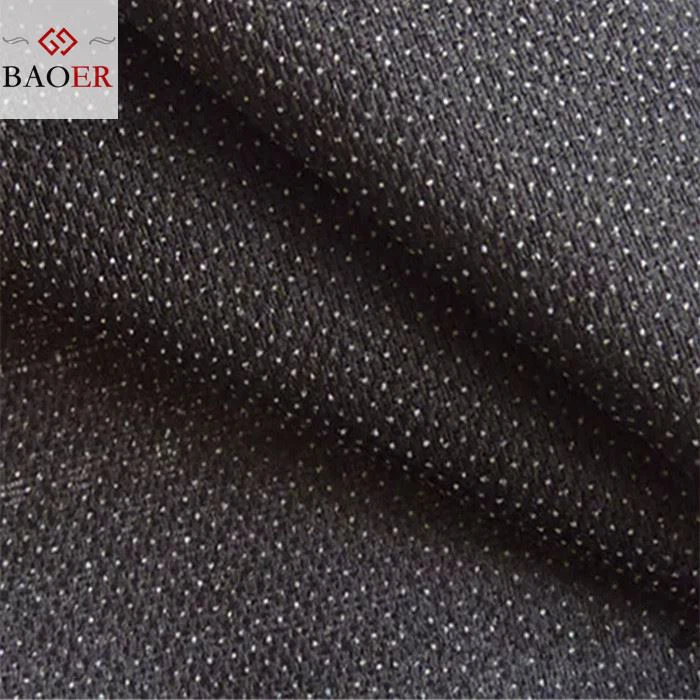
Quality of the Fabric
Always choose high - quality woven interlining fabric. A well - made fabric is more likely to have been properly pre - shrunk during the manufacturing process. You can look for fabrics that are labeled as "pre - shrunk" or "shrink - resistant."
Special Considerations for Different Types of Woven Interlining
Twill Fusible Interlining
Twill fusible interlining has a unique weave pattern. When working with this type of fabric, pay extra attention to the heat during the fusing process. Too much heat can cause the fusible adhesive to melt unevenly and also lead to shrinkage of the fabric. Follow the manufacturer's instructions carefully regarding the temperature and pressure for fusing.
Conclusion
Preventing woven interlining fabric from shrinking is all about a combination of pre - treatment, proper storage, careful handling, and choosing the right fabric. By following these tips, you can ensure that your Woven Interlining Fabric maintains its dimensions and quality throughout the entire process.
If you're in the market for high - quality woven interlining fabric or have any questions about preventing shrinkage, feel free to reach out. We're here to help you with all your fabric needs and make sure your projects turn out just the way you want them.
References
- Textile Manufacturing Handbook
- Guide to Woven Fabrics and Their Care
