


Hey there! As a supplier of dress interlining, I've seen firsthand how crucial it is to pick the right interlining for a wool dress. It can make or break the overall look, fit, and feel of the garment. So, let's dive into how you can select the perfect dress interlining for your wool dress.
Understanding Wool Dresses
First off, we need to understand a bit about wool dresses. Wool is a fantastic natural fiber. It's warm, breathable, and has a natural drape that gives dresses a luxurious look. But it also has some characteristics that we need to consider when choosing interlining. For example, wool can be quite heavy and may stretch over time. So, the interlining we choose should help support the fabric, prevent stretching, and enhance the shape of the dress.
Types of Dress Interlining
There are several types of dress interlining out there, and each has its own pros and cons.
Fusible Interlining
Fusible interlining is super popular. It's easy to use because you just iron it onto the fabric. This type of interlining provides a lot of stability, which is great for areas that need structure, like collars, cuffs, and waistbands. For a wool dress, a fusible interlining can help keep the shape of the dress in place, especially in high-stress areas. You can check out our Waist Band Interlining Fabric for a great option in this category.
Sew-in Interlining
Sew-in interlining is a bit more traditional. You sew it onto the fabric by hand or machine. It gives a more natural feel to the dress because it's more flexible than fusible interlining. This is a good choice if you want the dress to have a softer drape. Sew-in interlining is also great for large panels of the dress, like the front and back.
Thermal Interlining
If you're making a wool dress for colder weather, thermal interlining is a must. It adds an extra layer of warmth without adding too much bulk. Our Thinsulate Interlining Fabric is a great example of this type of interlining. It's lightweight but incredibly warm, making it perfect for winter wool dresses.
Factors to Consider When Selecting Interlining
Weight and Thickness
The weight and thickness of the interlining should match the weight of the wool fabric. If the wool is light, you don't want to use a heavy interlining, or it will make the dress too bulky. On the other hand, if the wool is thick, a thin interlining may not provide enough support. As a general rule, for lightweight wool, go for a lightweight interlining, and for heavier wool, choose a heavier interlining.
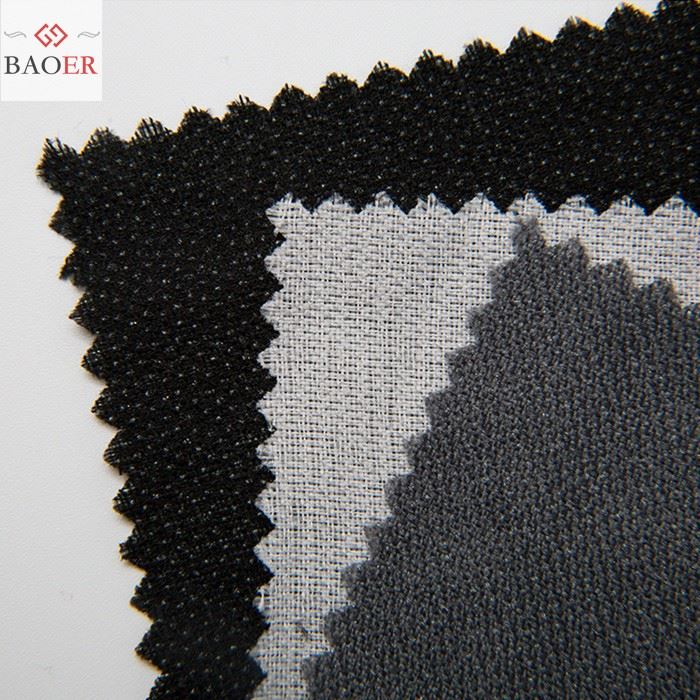

Color
The color of the interlining can affect the final look of the dress. For a wool dress, it's usually best to choose an interlining that's close to the color of the fabric. This way, if the interlining shows through the fabric, it won't be noticeable.
Stretch
Wool has some natural stretch, so you need to consider how much stretch the interlining has. If the interlining has no stretch and the wool does, it can cause the dress to pucker or not fit properly. Look for an interlining that has a similar stretch to the wool fabric.
Durability
Since wool dresses are often investment pieces, you want the interlining to be durable. It should hold up to washing, wearing, and general wear and tear. Check the care instructions of the interlining to make sure it can be maintained easily.
Matching Interlining to Different Parts of the Wool Dress
Collars and Cuffs
For collars and cuffs, you want an interlining that provides structure. Fusible interlining is a great choice here because it can give a crisp, professional look. Make sure to choose a lightweight to medium-weight fusible interlining so it doesn't make the collars and cuffs too stiff.
Waistbands
Waistbands need to be strong and supportive. Our Waist Band Interlining Fabric is designed specifically for this purpose. It can help hold the shape of the waistband and prevent it from stretching out over time.
Skirt and Bodice
For the skirt and bodice of the wool dress, you have more flexibility. Sew-in interlining can be a good option if you want a softer drape. Or, if you need more support, a medium-weight fusible interlining can work well. Just make sure to test the interlining on a scrap piece of fabric first to see how it looks and feels.
Lining
If you're adding a lining to your wool dress, you can choose a Wedding Dress Lining Fabric for a luxurious look. A lining not only adds a professional finish to the dress but also helps the dress glide over the body more easily.
Testing the Interlining
Before you commit to using an interlining for your entire wool dress, it's always a good idea to test it on a small piece of the fabric. Cut a small swatch of the wool and attach the interlining using the recommended method (ironing for fusible or sewing for sew-in). Then, check how it looks, feels, and how it behaves when you move it around. Look for any signs of puckering, stretching, or stiffness. If everything looks good, you're ready to go ahead with the whole dress.
Conclusion
Selecting the right dress interlining for a wool dress is all about understanding the characteristics of the wool fabric and the different types of interlining available. By considering factors like weight, thickness, color, stretch, and durability, you can choose an interlining that will enhance the look and performance of your wool dress.
If you're in the market for high-quality dress interlining, we're here to help. Our wide range of products, including Wedding Dress Lining Fabric, Thinsulate Interlining Fabric, and Waist Band Interlining Fabric, are designed to meet the needs of any wool dress project. Contact us to discuss your requirements and start a procurement conversation. We're excited to work with you to create the perfect interlining solution for your wool dresses.
References
- Textile Institute. Handbook of Textile Fibres. Woodhead Publishing, 2015.
- Reader's Digest Complete Guide to Sewing. Reader's Digest Association, 2001.
