


Is it possible to use suit interlining in a DIY suit project?
As a seasoned suit interlining supplier, I've witnessed the growing trend of DIY suit projects among fashion enthusiasts and tailoring hobbyists. The question of whether it's feasible to use suit interlining in a DIY suit project is one that comes up frequently, and it's a topic I'm more than happy to delve into.
Understanding Suit Interlining
Before we discuss the feasibility of using suit interlining in a DIY project, let's first understand what suit interlining is. Suit interlining is a layer of fabric that is placed between the outer fabric and the lining of a suit. It serves several important functions. Firstly, it adds structure and shape to the suit, helping it to drape well and maintain its form. Secondly, it provides warmth and insulation, making the suit more comfortable to wear in different weather conditions. Thirdly, it can enhance the durability of the suit by protecting the outer fabric from wear and tear.
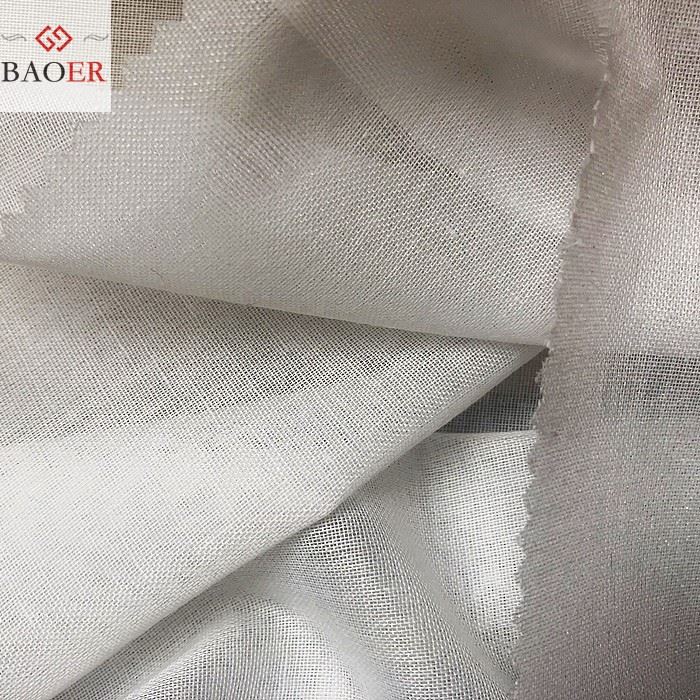
There are different types of suit interlining available, each with its own unique characteristics and uses. For example, Canvas Interlining Fabric is a popular choice for traditional and high - end suits. It is made from natural fibers such as wool or cotton and provides a firm and structured support. Hat Interlining Fabric, on the other hand, is often used in the construction of hats but can also be adapted for certain parts of a suit where a lighter and more flexible interlining is required. Flannel Interlining Fabric is known for its softness and warmth, making it a great option for suits worn in colder climates.
Feasibility of Using Suit Interlining in a DIY Suit Project
The short answer is yes, it is definitely possible to use suit interlining in a DIY suit project. However, there are several factors to consider.
Skill Level
Working with suit interlining requires a certain level of sewing and tailoring skills. Interlining needs to be cut precisely to match the pattern of the outer fabric and the lining. It also needs to be attached properly, which often involves techniques such as basting, stitching, and pressing. If you're a beginner in sewing, it might be a good idea to start with simpler projects and gradually work your way up to using suit interlining. But with patience and practice, even novice sewers can master the skills needed to incorporate interlining into their DIY suits.
Tools and Equipment
You'll need the right tools and equipment to work with suit interlining effectively. This includes a good quality sewing machine, sharp scissors for cutting the interlining, pins for holding the layers together, and an iron for pressing. A tailor's ham or a pressing cloth can also be very useful for shaping the interlining and the suit. Having the proper tools not only makes the process easier but also ensures a better - finished result.
Time and Patience
Using suit interlining in a DIY suit project is not a quick or easy task. It requires time and patience to cut, fit, and attach the interlining correctly. You need to take your time to ensure that the interlining is aligned properly with the outer fabric and the lining, and that the stitches are even and secure. Rushing through the process can lead to mistakes and an unsatisfactory final product.
Benefits of Using Suit Interlining in a DIY Suit
Despite the challenges, there are many benefits to using suit interlining in a DIY suit project.
Customization
One of the biggest advantages of a DIY suit project is the ability to customize every aspect of the suit. When you use suit interlining, you can choose the type of interlining that best suits your needs and preferences. For example, if you want a suit that is more structured and formal, you can opt for a canvas interlining. If you're looking for a more casual and comfortable suit, a flannel interlining might be a better choice. You can also experiment with different combinations of interlining and outer fabric to create a unique look.
Quality
By using high - quality suit interlining in your DIY suit, you can ensure that your suit is of a high standard. Many commercial suits use lower - quality interlining to cut costs, which can result in a suit that loses its shape quickly or doesn't drape well. When you make your own suit, you have control over the quality of the materials you use, and you can choose interlining that will give your suit a professional and long - lasting finish.
Learning Experience
Working with suit interlining in a DIY suit project is a great learning experience. It allows you to gain a deeper understanding of the construction of a suit and the role that interlining plays. You'll learn new sewing and tailoring techniques, and you'll develop skills that you can apply to future projects. Whether you're a hobbyist or someone who wants to pursue a career in fashion, this hands - on experience is invaluable.
Tips for Using Suit Interlining in a DIY Suit Project
Here are some tips to help you use suit interlining successfully in your DIY suit project:
- Choose the Right Interlining: Consider the type of suit you're making, the weight and texture of the outer fabric, and the climate in which you'll be wearing the suit. This will help you select the most appropriate interlining.
- Pre - shrink the Interlining: If the interlining is made from natural fibers, it's a good idea to pre - shrink it before cutting and sewing. This will prevent the interlining from shrinking after the suit is made, which could cause the suit to lose its shape.
- Test on a Scrap Piece: Before working on the actual suit, test the interlining and the sewing techniques on a scrap piece of the outer fabric and interlining. This will allow you to make any adjustments and ensure that you're happy with the results.
- Follow the Pattern: Make sure to follow the pattern instructions carefully when cutting and attaching the interlining. Pay attention to details such as seam allowances and notches.
Conclusion
In conclusion, using suit interlining in a DIY suit project is definitely possible, although it does come with its challenges. With the right skills, tools, time, and patience, you can create a high - quality, customized suit that you'll be proud to wear. As a suit interlining supplier, I'm always here to provide you with the best quality interlining and any advice you might need. If you're interested in starting a DIY suit project and want to discuss your interlining needs, feel free to reach out. I look forward to helping you bring your vision of the perfect suit to life.

References
- "The Complete Book of Sewing" by Reader's Digest
- "Tailoring: The Classic Guide to Men's Tailoring" by Christopher Breward
