


Hey there! As a canvas interlining fabric supplier, I've been in the game for quite a while, and I've seen all sorts of weaves that make this fabric so unique. In this blog, I'm gonna walk you through the different weaves of canvas interlining fabric and why they matter.
Let's start with the basics. Canvas interlining fabric is essential in the garment industry, especially for Interlining for Suits. It provides structure, support, and shape to the garments, making them look sharp and well - tailored. The weave of the canvas interlining fabric plays a crucial role in determining its properties and how it performs in different applications.
Plain Weave
One of the most common weaves you'll come across is the plain weave. In a plain weave, the warp and weft threads cross each other alternately. It's like a simple over - under pattern. This type of weave is super straightforward and easy to produce.
The plain weave canvas interlining fabric has a tight and stable structure. It's great for providing a basic level of support to the garment. Because of its tightness, it can prevent the outer fabric from stretching out of shape. For example, when used in a suit jacket, it helps the jacket maintain its form over time. It's also relatively lightweight, which means it won't add too much bulk to the garment.
However, the plain weave does have its limitations. It's not as flexible as some other weaves. So, if you're looking for a fabric that can move with the body more freely, the plain weave might not be the best choice. But for classic, structured garments, it's a solid option. You can find a wide range of Garment Fusible Interlining Fabric with a plain weave in the market.
Twill Weave
Next up is the twill weave. The twill weave is characterized by a diagonal pattern on the fabric surface. This pattern is created by the way the warp and weft threads interlace. In a twill weave, one warp thread crosses over two or more weft threads, creating that distinct diagonal line.
Twill weave canvas interlining fabric is known for its durability. The diagonal pattern gives it more strength compared to the plain weave. It can withstand more wear and tear, making it a great choice for garments that need to be long - lasting. For instance, in workwear or heavy - duty suits, twill weave interlining can provide the necessary support and durability.
Another advantage of the twill weave is its flexibility. It has a bit more give than the plain weave, allowing the garment to move more naturally with the body. This makes it more comfortable to wear, especially for extended periods. However, twill weave fabrics can be a bit heavier than plain weave ones. So, if you're going for a very lightweight look, you might want to think twice.
Satin Weave
The satin weave is a bit different from the previous two. In a satin weave, the warp or weft threads float over several other threads before interlacing. This creates a smooth and shiny surface on one side of the fabric.
Satin weave canvas interlining fabric is often used for its aesthetic appeal. The smooth surface can give the garment a luxurious look. It's also very soft to the touch, which can enhance the comfort of the wearer. When used in high - end suits or formal wear, it can add that extra touch of elegance.
But satin weave has its trade - offs. It's not as strong as the twill or plain weave. The floating threads make it more prone to snagging and damage. So, it might not be the best option for very rough or active use. However, for special occasions or garments where appearance is key, it's a great choice.
Herringbone Weave
The herringbone weave is a variation of the twill weave. It has a distinctive V - shaped pattern that resembles the bones of a herring fish. This pattern is created by reversing the direction of the twill every few rows.
Herringbone weave canvas interlining fabric is both stylish and functional. The unique pattern adds a visual interest to the garment. It's also quite strong and durable, similar to the twill weave. It can provide good support to the garment while still allowing for some flexibility.

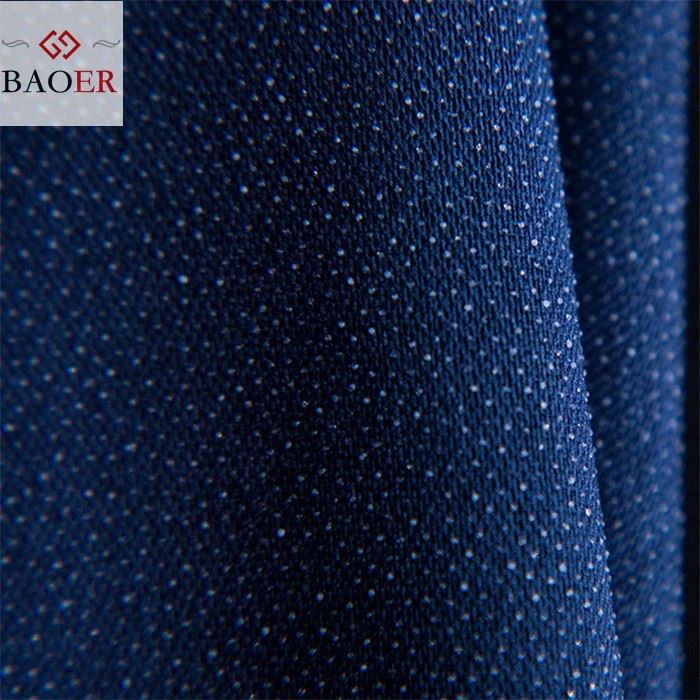
This weave is often used in high - end men's suits. The herringbone pattern can add a touch of sophistication and make the suit stand out. It's also a popular choice for winter garments because it can add a bit of warmth due to its relatively dense structure.
Leno Weave
The leno weave is a bit more specialized. In a leno weave, the warp threads are twisted around each other to hold the weft threads in place. This creates an open and airy structure.
Leno weave canvas interlining fabric is great for garments that need breathability. The open structure allows air to circulate, making it more comfortable to wear in warm weather. It's also relatively lightweight, which is a plus for summer clothing.
However, the leno weave might not provide as much support as some of the other weaves. It's more suitable for lightweight and less structured garments. For example, it can be used in summer shirts or lightweight jackets where a bit of support is needed but not too much bulk.
Choosing the Right Weave
So, how do you choose the right weave for your canvas interlining fabric? Well, it depends on several factors. First, consider the type of garment you're making. If it's a classic suit that needs to maintain its shape, a plain or twill weave might be a good choice. For a more luxurious and aesthetically pleasing look, the satin weave could be the way to go.
Think about the functionality of the garment. If it's for work or heavy - duty use, durability is key, so twill or herringbone weaves are great. For warm - weather clothing, a leno weave can provide the necessary breathability.
Cost is also a factor. Some weaves, like the satin weave, can be more expensive to produce due to their complexity. So, you need to balance your budget with the desired properties of the fabric.
As a Canvas Interlining Fabric supplier, I can help you make the right choice. I've got a wide range of fabrics with different weaves, and I can provide samples so you can see and feel the differences for yourself.
If you're in the market for canvas interlining fabric, whether you're a small - scale tailor or a large - scale garment manufacturer, I'd love to have a chat with you. We can discuss your specific needs, and I can offer you the best solutions at competitive prices. Don't hesitate to reach out and start a conversation about your fabric requirements.
References
- Textile Institute. "Handbook of Textile Fibre Structure." Woodhead Publishing, 2016.
- Horrocks, A. R., & Anand, S. C. "Fibre Science." The Textile Institute, 2000.
