


Hey there! As a supplier of Bump Interlining Fabric, I often get asked about the air permeability of this kind of fabric. So, let's dive right into it and figure out what air permeability of bump interlining fabric really means.
First off, air permeability is a crucial property for any fabric, and bump interlining fabric is no exception. It refers to the ability of the fabric to allow air to pass through it. You can think of it as how easily the air can move in and out of the fabric. This property is super important in the world of textiles, especially when it comes to comfort.

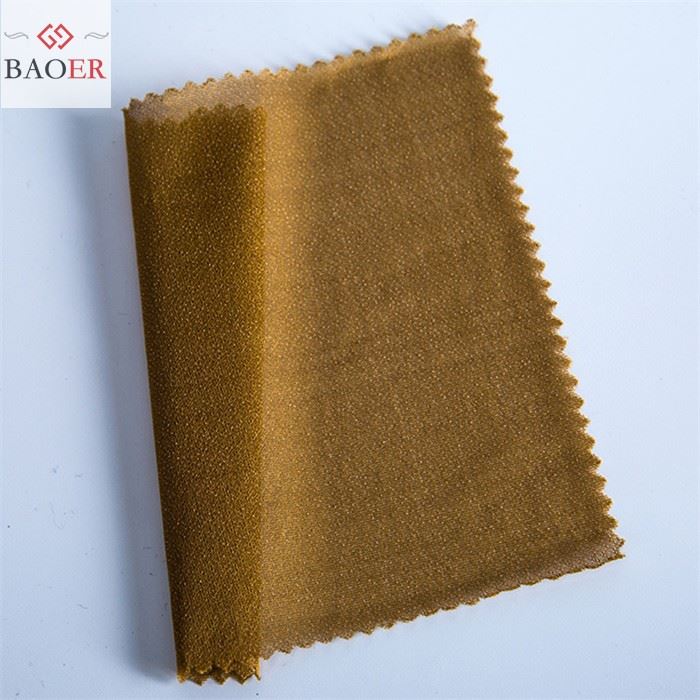
Imagine wearing a piece of clothing made with a fabric that has poor air permeability. You'd feel stuffy and hot, right? That's because the air can't circulate properly, and your body can't breathe. On the other hand, a fabric with good air permeability allows fresh air to flow in and out, keeping you cool and comfortable.
Now, let's talk about why air permeability matters specifically for bump interlining fabric. Bump interlining is often used in clothing to add structure, shape, and support. It's commonly found in areas like collars, cuffs, and waistbands. If the bump interlining fabric has low air permeability, it can make these areas feel tight and uncomfortable, even if the rest of the clothing is breathable.
For example, if you're wearing a shirt with a stiff collar made from bump interlining fabric that doesn't let air through, you might start to feel sweaty and itchy around your neck. This can really ruin your day, whether you're at work, out for a walk, or just relaxing at home.
So, how do we measure the air permeability of bump interlining fabric? Well, there are a few standard methods. One common way is to use a device called an air permeability tester. This machine measures the amount of air that passes through a given area of the fabric in a certain amount of time. The results are usually expressed in cubic feet per minute (CFM) or liters per square meter per second (L/m²/s).
The air permeability of bump interlining fabric can be affected by several factors. One of the main factors is the fabric's structure. Fabrics with a loose, open structure generally have better air permeability than those with a tight, dense structure. For instance, a Polyester Knitted Interlining Fabric might have higher air permeability compared to a more tightly woven bump interlining because the knitted structure allows for more air circulation.
Another factor is the type of fibers used in the fabric. Natural fibers like cotton and linen tend to be more breathable than synthetic fibers. However, modern synthetic fibers are being developed to improve their air permeability. For example, some polyester fibers are engineered to have tiny pores that allow air to pass through more easily.
The finishing treatments applied to the bump interlining fabric can also impact its air permeability. Some treatments, like waterproofing or stiffening agents, can reduce the fabric's ability to let air through. On the other hand, certain softening or anti-static treatments might have a positive effect on air permeability.
As a supplier of bump interlining fabric, we understand the importance of air permeability. That's why we offer a range of products with different air permeability levels to meet the diverse needs of our customers. Whether you're looking for a highly breathable bump interlining for summer clothing or a more structured one with slightly lower air permeability for winter wear, we've got you covered.
For those who need a fabric with excellent air permeability, our Microdot Fusible Interlining Fabric is a great choice. It has a unique microdot pattern that allows air to flow freely while still providing good support and shape. And if you're looking for a lining fabric with good air permeability, our Tricot Lining Fabric is a popular option. It's soft, comfortable, and lets air circulate well.
In addition to air permeability, we also pay close attention to other important properties of bump interlining fabric, such as adhesion strength, shrinkage rate, and durability. We use high - quality raw materials and advanced manufacturing processes to ensure that our products meet the highest standards.
If you're in the business of clothing manufacturing or are just someone who cares about the quality of the fabrics in your clothes, I encourage you to consider our bump interlining fabrics. We're always happy to provide samples so you can test the air permeability and other properties for yourself.
If you're interested in learning more about our bump interlining fabric or have any questions about air permeability, feel free to reach out. We're here to help you find the perfect fabric for your needs. Whether you're a small - scale designer or a large - scale clothing manufacturer, we can work with you to provide the right solutions.
In conclusion, air permeability is a vital property of bump interlining fabric that can greatly affect the comfort and wearability of clothing. By choosing a fabric with the right air permeability, you can ensure that your garments not only look good but also feel great to wear. So, don't overlook this important factor when selecting bump interlining fabric for your next project.
References
- ASTM D737 - 18, Standard Test Method for Air Permeability of Textile Fabrics
- ISO 9237:1995, Textiles — Determination of the permeability of fabrics to air
