


In the realm of textile manufacturing and fashion design, interlining fabrics play a crucial role in enhancing the quality, structure, and functionality of garments. Among the diverse range of interlining options available, Bump Interlining Fabric stands out as a unique and versatile material. As a seasoned Bump Interlining Fabric supplier, I am excited to delve into the definition, characteristics, applications, and benefits of this remarkable fabric.
Definition of Bump Interlining Fabric
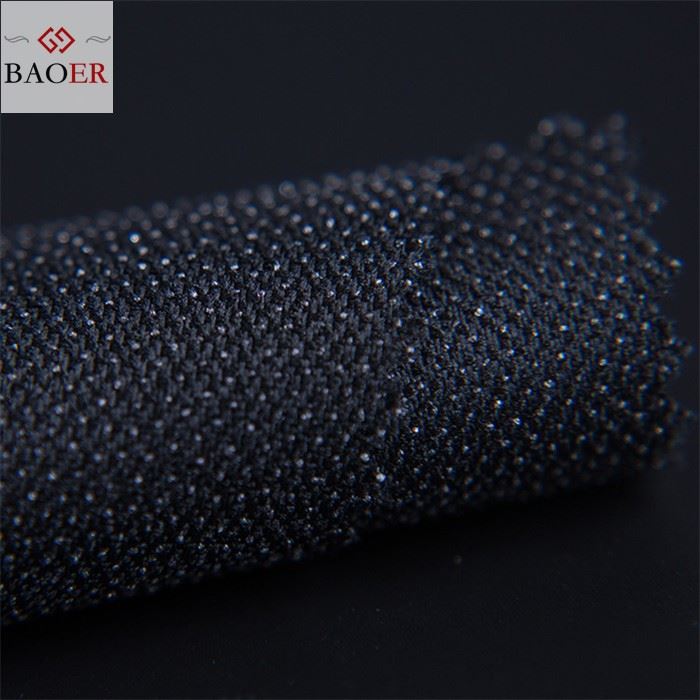
Bump Interlining Fabric is a specialized type of knitted interlining that is characterized by its distinct bumpy or textured surface. This texture is created through a specific knitting process that results in a three - dimensional effect on the fabric. Unlike smooth interlining fabrics, the bumps on Bump Interlining Fabric add volume and dimension to the garments in which it is used.
The fabric is typically made from a combination of synthetic fibers such as polyester, which provides durability, and sometimes with a small percentage of natural fibers to enhance its feel. The knitting technique used to produce Bump Interlining Fabric is carefully controlled to ensure consistent bump size, spacing, and overall quality.
Characteristics of Bump Interlining Fabric
- Three - Dimensional Texture: The most obvious characteristic of Bump Interlining Fabric is its bumpy surface. This texture not only gives the fabric a unique visual appeal but also serves functional purposes. The bumps create air pockets within the fabric, which can provide insulation, making it suitable for use in winter garments or those requiring thermal properties.
- Softness and Comfort: Despite its textured surface, Bump Interlining Fabric is surprisingly soft to the touch. The combination of the right fibers and knitting techniques results in a fabric that is comfortable to wear, even when in direct contact with the skin.
- Elasticity: Bump Interlining Fabric often has a certain degree of elasticity. This elasticity allows the fabric to stretch and conform to the body's movements, making it ideal for use in garments that require flexibility, such as sportswear or form - fitting clothing.
- Lightweight: It is generally lightweight, which means it can be added to garments without adding excessive weight. This is particularly important in the fashion industry, where designers strive to create garments that are both stylish and comfortable.
Applications of Bump Interlining Fabric
- Apparel Industry: Bump Interlining Fabric is widely used in the apparel industry. In outerwear, such as jackets and coats, it can be used as an inner layer to provide warmth and add shape. The three - dimensional texture can also give the jacket a more structured and high - end look. In lingerie and swimwear, the fabric's elasticity and softness make it suitable for use as an interlining to provide support without sacrificing comfort.
- Home Textiles: It can also be found in home textiles. For example, in decorative pillows, the bumpy texture can add an interesting visual element. In bedding, it can be used as an insulating layer between the top sheet and the mattress, providing a warmer and more comfortable sleeping environment.
- Accessories: Bump Interlining Fabric is used in the production of accessories such as hats, bags, and belts. In hats, it can help maintain the shape of the hat and provide some insulation. In bags, it can add structure and durability.
Comparison with Other Interlining Fabrics
When compared to other types of interlining fabrics, Bump Interlining Fabric has its own unique advantages. For instance, compared to Thermal Interlining Fabric, which is mainly focused on providing warmth, Bump Interlining Fabric not only offers thermal properties but also adds a decorative and dimensional element to the garment.
Stretch Fusible Interlining is known for its stretchability and the ability to be fused to other fabrics easily. While Bump Interlining Fabric also has some stretch, its main feature is the bumpy texture, which gives it a different aesthetic and functional characteristic.

Manufacturing Process of Bump Interlining Fabric
The manufacturing process of Bump Interlining Fabric involves several key steps. First, the raw materials, usually synthetic fibers like polyester, are selected based on their quality and properties. These fibers are then spun into yarns.
The knitting process is the most critical step in creating the bumpy texture. Specialized knitting machines are used to create the desired pattern of bumps. The machine's settings, such as the stitch type, tension, and needle arrangement, are carefully adjusted to control the size, shape, and spacing of the bumps.
After knitting, the fabric may undergo various finishing processes. This can include washing to remove any impurities, heat - setting to stabilize the fabric's structure, and dyeing to achieve the desired color.
Quality Control in Bump Interlining Fabric Production
As a Bump Interlining Fabric supplier, quality control is of utmost importance. We implement a strict quality control system throughout the production process. Starting from the raw material inspection, we ensure that only high - quality fibers are used.
During the knitting process, regular checks are made to ensure that the bumps are uniform in size and spacing. We also test the fabric's elasticity, softness, and colorfastness. After the finishing processes, the fabric is inspected again for any defects, such as uneven dyeing or loose threads.
Benefits of Choosing Our Bump Interlining Fabric
- Customization: We understand that different customers have different requirements. That's why we offer customization options for Bump Interlining Fabric. Whether it's the size of the bumps, the color of the fabric, or the overall thickness, we can work with you to create a fabric that meets your specific needs.
- Quality Assurance: Our commitment to quality means that you can trust the Bump Interlining Fabric you purchase from us. We use the latest manufacturing techniques and high - quality raw materials to ensure that our fabric meets the highest standards.
- Competitive Pricing: Despite our focus on quality, we offer our Bump Interlining Fabric at competitive prices. We believe that high - quality products should be accessible to all customers, whether they are large - scale manufacturers or small - scale designers.
Conclusion
In conclusion, Bump Interlining Fabric is a unique and versatile material that offers a combination of functionality, aesthetics, and comfort. Its three - dimensional texture, softness, elasticity, and lightweight nature make it suitable for a wide range of applications in the apparel, home textile, and accessory industries.
As a Bump Interlining Fabric supplier, we are dedicated to providing high - quality products and excellent customer service. If you are interested in purchasing Bump Interlining Fabric for your next project, we invite you to contact us for more information and to discuss your specific requirements. We look forward to the opportunity to work with you and help you bring your creative ideas to life.
References
- Textile Manufacturing Handbook: A comprehensive guide to textile production processes, including interlining fabric manufacturing.
- Fashion Industry Trends Report: Provides insights into the latest trends and applications of interlining fabrics in the fashion industry.
- Fibers and Textiles Research Journal: Contains research on the properties and performance of different types of interlining fabrics.
