


Hey there! As a suit interlining supplier, I've been getting a lot of questions lately about the difference between fusible and non-fusible suit interlining. So, I thought I'd take a moment to break it down for you.
Let's start with fusible interlining. Fusible interlining is a type of interlining that has a heat-activated adhesive on one side. When you apply heat and pressure, the adhesive melts and bonds the interlining to the fabric. This creates a strong, permanent bond that helps to shape and support the fabric.
One of the biggest advantages of fusible interlining is its ease of use. You don't need to sew the interlining to the fabric, which can save you a lot of time and effort. It's also great for beginners who are still learning how to sew. With fusible interlining, you can achieve professional-looking results without having to worry about complicated sewing techniques.
Another advantage of fusible interlining is its versatility. It comes in a variety of weights and textures, so you can choose the one that's best suited for your project. Whether you're making a lightweight summer suit or a heavy winter coat, there's a fusible interlining that will work for you.
However, fusible interlining does have some drawbacks. One of the biggest issues is that the adhesive can sometimes cause the fabric to become stiff or crunchy. This can be a problem if you're looking for a more natural, drapey look. Additionally, the adhesive can sometimes break down over time, especially if the garment is washed or dry cleaned frequently. This can cause the interlining to delaminate from the fabric, which can be a real pain to fix.
Now, let's talk about non-fusible interlining. Non-fusible interlining is a type of interlining that is sewn to the fabric rather than bonded with an adhesive. This creates a more natural, flexible look and feel, which is why it's often preferred by professional tailors and designers.
One of the biggest advantages of non-fusible interlining is its durability. Since it's sewn to the fabric, it's less likely to delaminate or break down over time. This means that your garment will last longer and look better for years to come.

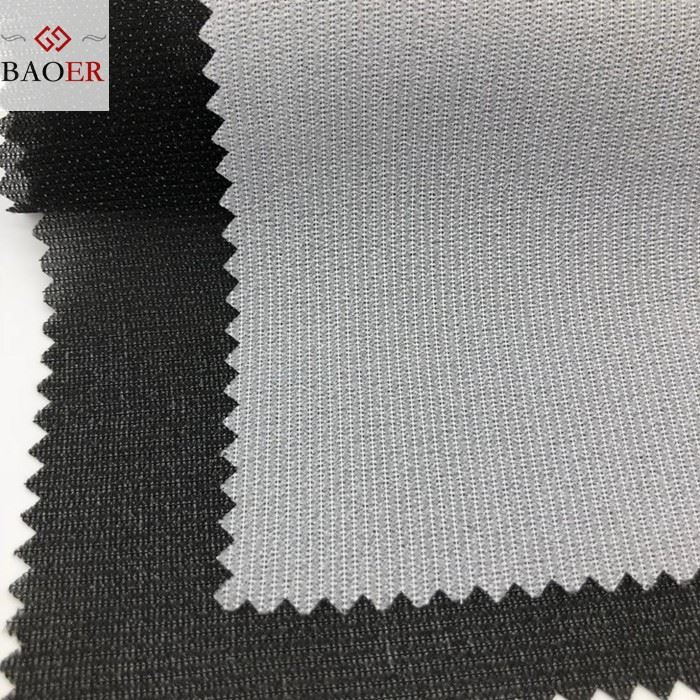
Another advantage of non-fusible interlining is its ability to add structure and support without making the fabric stiff or crunchy. This is because the interlining is sewn in place, which allows it to move and flex with the fabric. This creates a more natural, comfortable fit that looks and feels great.
However, non-fusible interlining does have some drawbacks. One of the biggest issues is that it can be more difficult to work with than fusible interlining. You need to have some basic sewing skills to sew the interlining to the fabric, which can be a challenge for beginners. Additionally, non-fusible interlining can be more time-consuming to install, which can be a problem if you're on a tight deadline.
So, which type of interlining is right for you? Well, it really depends on your project and your personal preferences. If you're looking for a quick and easy solution that will give you professional-looking results, then fusible interlining is probably the way to go. However, if you're looking for a more natural, durable, and flexible solution, then non-fusible interlining is the better choice.
At our company, we offer a wide range of both fusible and non-fusible suit interlining options. Whether you're looking for a lightweight Flannel Interlining Fabric for a summer suit or a heavy Interlining Fabric for Coats for a winter coat, we've got you covered. We also offer Canvas Interlining Fabric, which is a popular choice for traditional tailoring.
If you're not sure which type of interlining is right for your project, our team of experts is here to help. We can answer any questions you have and provide you with samples so you can see and feel the different options for yourself. We're committed to providing our customers with the highest quality products and the best possible service, so you can trust us to help you find the perfect interlining for your needs.
So, if you're in the market for suit interlining, don't hesitate to get in touch with us. We'd love to hear from you and help you with your project. Whether you're a professional tailor or a hobbyist sewer, we've got the interlining you need to create a beautiful, high-quality garment.
References:
- Textile Technology and Fibre Science, Third Edition, by W. E. Morton and J. W. S. Hearle
- The Sewing Book: Step-by-Step Techniques for Every Project, by Reader's Digest
