


Throughout the long history of fashion, lining and interlining have played crucial roles, evolving from basic functional elements to key components that enhance both the aesthetic and practical aspects of clothing. As a lining and interlining supplier, I've witnessed firsthand how these materials have transformed over time and continue to be indispensable in the fashion industry.
Ancient Origins
The use of lining and interlining dates back thousands of years. In ancient Egypt, linen was commonly used as a lining material for garments. Linen was not only abundant but also had properties that made it suitable for lining. It was breathable, which was essential in the hot Egyptian climate, and it helped to protect the outer fabric from body oils and sweat, thus extending the lifespan of the clothing. Egyptians also used simple interlining techniques in some of their more elaborate garments, adding layers of fabric to provide shape and structure.
Moving on to ancient Rome, the Romans were known for their love of luxury and fine clothing. They used silk linings in their high - end tunics and togas. Silk was not only a symbol of wealth but also added a smooth and luxurious feel to the garments. Interlining was also used in military uniforms. Leather interlinings were added to armor - like clothing to provide extra protection and to make the garments more comfortable to wear for long periods.
Medieval and Renaissance Eras
During the Middle Ages, lining became more standardized. Wool was a popular lining material, especially for outerwear. It provided warmth and insulation, which was crucial in the cold European winters. Nobles often had their garments lined with fur, which was not only warm but also a status symbol. Fur linings were used in cloaks, coats, and even hats.
In the Renaissance period, fashion became more elaborate and structured. Interlining played a significant role in creating the voluminous and structured silhouettes that were in vogue. Boning, which can be considered a form of interlining, was used in corsets to shape the female body. These corsets were often lined with silk or fine cotton to make them more comfortable against the skin. For men's doublets, linen or wool interlinings were used to give the garments shape and stiffness.
18th and 19th Centuries
The 18th century saw a rise in the use of more advanced interlining techniques. With the development of the Industrial Revolution, new materials and manufacturing processes became available. Woven interlinings started to be produced on a larger scale. These interlinings were used in men's tailcoats and women's dresses to provide shape and support.
In the 19th century, fashion became more diverse, and lining and interlining continued to evolve. Silk linings were still popular for high - end clothing, but cotton linings also became more common due to their affordability. Interlining materials were used to create different effects. For example, horsehair interlining was used to create stiff collars and cuffs in men's shirts. This gave the shirts a crisp and formal look.
20th Century and Beyond
The 20th century brought about even more significant changes in the use of lining and interlining. Synthetic materials were introduced, which revolutionized the industry. Polyester linings became popular because they were durable, easy to care for, and relatively inexpensive. They were used in a wide range of clothing, from everyday wear to formal suits.
Interlining also saw innovation. Adhesive interlinings were developed, which made it easier to attach the interlining to the outer fabric. Woven Adhesive Interlining became a game - changer in the fashion industry. It provided a strong bond between the layers of fabric, ensuring that the garments maintained their shape.
In the mid - 20th century, the demand for lightweight and comfortable clothing increased. This led to the development of new types of interlining, such as Thermo Bond Woven Interlining. These interlinings were thin and lightweight but still provided the necessary support and shape to the garments.

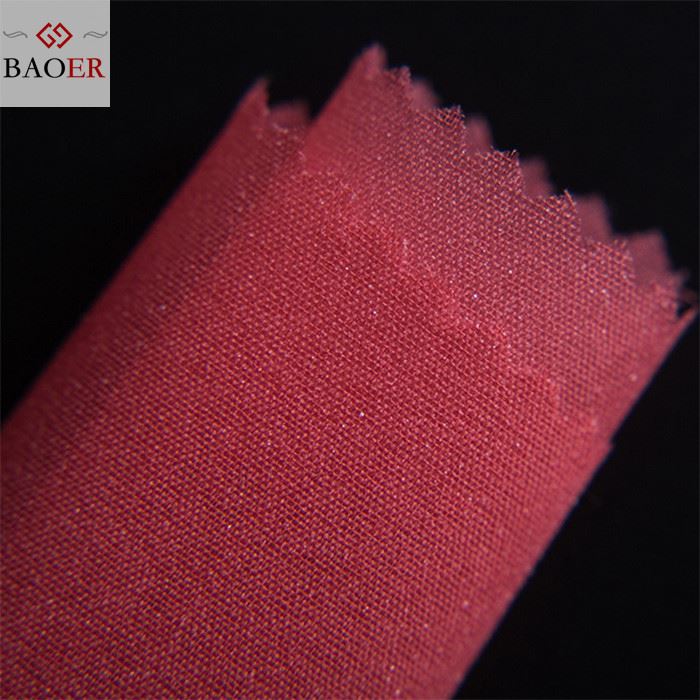
In recent years, there has been a growing trend towards sustainable fashion. As a lining and interlining supplier, we've seen an increased demand for eco - friendly materials. Organic cotton linings and recycled polyester interlinings are becoming more popular. Bonded Blackout Interlining is also in demand for applications where light blocking is required, such as in curtains and some types of outerwear.
The Role of a Lining and Interlining Supplier
As a lining and interlining supplier, we play a vital role in the fashion supply chain. We work closely with designers and manufacturers to provide them with the right materials for their projects. We offer a wide range of products, from traditional wool and silk linings to the latest synthetic and eco - friendly options.
We understand the importance of quality and consistency. Our materials are tested to ensure that they meet the highest standards. Whether it's a high - end designer brand or a mass - market clothing line, we can provide the lining and interlining solutions that they need.
Why Choose Our Products?
Our products are not only of high quality but also offer great value for money. We have a team of experts who can provide technical support and advice. We can help designers choose the right interlining for the desired silhouette and the right lining for comfort and durability.
We also offer customization options. If a designer has specific requirements, such as a particular color or texture, we can work with them to create a bespoke solution. Our goal is to help our customers create the best - looking and most functional garments possible.
Contact Us for Your Lining and Interlining Needs
If you're in the fashion industry and are looking for a reliable lining and interlining supplier, we'd love to hear from you. Whether you're a small - scale designer or a large - scale manufacturer, we have the products and expertise to meet your needs. Contact us today to start a discussion about your next project.
References
- "A History of Fashion" by James Laver
- "The Complete Book of Sewing" by Reader's Digest
- Industry reports on the development of lining and interlining materials.
