


As a hat interlining fabric supplier, I often get asked about the texture of hat interlining fabric. Texture is a crucial aspect of any fabric, especially when it comes to hat interlinings, as it can significantly impact the overall look, feel, and performance of the hat. In this blog post, I'll delve into the various textures of hat interlining fabric, their characteristics, and how they contribute to the quality of hats.
Understanding the Basics of Hat Interlining Fabric
Before we discuss texture, let's briefly understand what hat interlining fabric is. Hat interlining is an additional layer of fabric placed between the outer shell and the lining of a hat. Its primary functions include providing structure, shape retention, and added durability to the hat. Different types of interlining fabrics are used depending on the style, purpose, and material of the hat.
The Role of Texture in Hat Interlining Fabric
Texture plays a multifaceted role in hat interlining fabric. It can affect the comfort of the wearer, the aesthetic appeal of the hat, and the functionality of the interlining itself. A smooth - textured interlining may provide a sleek and refined look, while a rougher texture can add a rustic or casual charm. Moreover, texture can influence how the interlining adheres to the outer shell and lining, as well as its ability to hold the shape of the hat over time.
Common Textures of Hat Interlining Fabric
Smooth Texture
Smooth - textured hat interlining fabrics are highly sought after for their elegant and sophisticated appearance. These fabrics have a fine, even surface that allows for a seamless finish when used in hats. They are often made from materials such as silk or high - quality synthetic fibers.
Silk interlining, for example, has a luxurious smoothness that not only enhances the visual appeal of the hat but also provides a soft and comfortable feel against the skin. It is commonly used in high - end hats, such as fedoras and top hats, where a refined look is desired. Synthetic smooth - textured interlinings, on the other hand, offer similar benefits but at a more affordable price point. They are also more resistant to wrinkles and moisture, making them suitable for everyday use.
Rough Texture
Rough - textured hat interlining fabrics bring a unique character to hats. Fabrics like burlap or coarse wool fall into this category. Burlap interlining has a coarse, woven texture that gives hats a rustic and earthy look. It is often used in hats with a more casual or outdoorsy style, such as fishing hats or workman's caps.
Coarse wool interlining, with its nubby texture, provides warmth and durability. It is commonly used in winter hats, as it helps to insulate the head while adding a touch of ruggedness. The rough texture of these interlinings can also create a more pronounced shape in the hat, giving it a more structured appearance.
Fuzzy or Fluffy Texture
Fuzzy or fluffy - textured hat interlining fabrics add a soft and cozy element to hats. Flannel Interlining Fabric is a prime example of this type of texture. Flannel is known for its warm, fuzzy nap that provides excellent insulation. It is often used in winter hats, especially those made for children or for very cold climates.
The fuzzy texture of flannel also gives hats a plush and inviting look. It can be combined with other fabrics to create a layered effect, adding depth and dimension to the hat's design.

Stiff or Rigid Texture
Stiff or rigid - textured hat interlining fabrics are essential for hats that require a strong structure. Canvas Interlining Fabric is a classic choice for this purpose. Canvas has a thick, sturdy weave that can hold its shape well, making it ideal for hats like boaters and straw hats.
These interlinings help the hat maintain its form even when subjected to pressure or movement. They are often used in combination with other interlinings or with stiffening agents to achieve the desired level of rigidity.
Fusible Texture
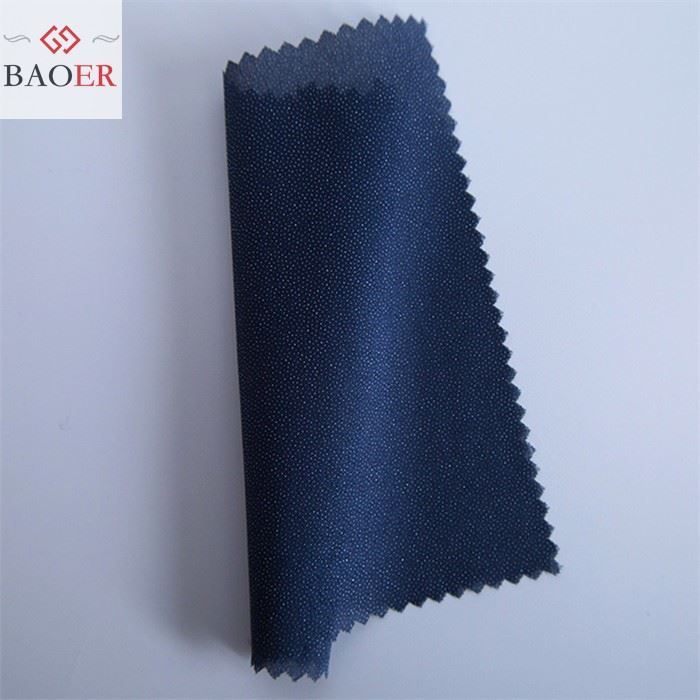
Garment Fusible Interlining Fabric has a unique texture that allows it to be easily fused to the outer shell and lining of the hat using heat. This type of interlining typically has a smooth, slightly tacky surface on one side. When heated, the adhesive on the interlining melts and bonds with the other fabrics, creating a strong and permanent connection.
Fusible interlinings are popular because they simplify the hat - making process and provide a consistent and reliable bond. They are available in a variety of textures, from smooth to slightly textured, to suit different hat styles and materials.
How Texture Affects Hat Performance
The texture of hat interlining fabric can have a significant impact on the performance of the hat. A smooth - textured interlining may allow for easier movement of the hat on the head, reducing friction and discomfort. On the other hand, a rough - textured interlining can provide better grip, preventing the hat from slipping off.
Stiff or rigid textures are crucial for maintaining the shape of the hat, especially in styles that require a defined silhouette. Fuzzy or fluffy textures contribute to insulation and warmth, making them ideal for winter hats. Fusible textures ensure a secure and long - lasting bond between the different layers of the hat, enhancing its durability.
Choosing the Right Texture for Your Hat
When choosing a hat interlining fabric, it's important to consider the style, purpose, and material of the hat. For formal hats, a smooth or silk - like texture is often preferred to achieve a refined look. Casual hats, on the other hand, can benefit from a rougher or more textured interlining for a laid - back aesthetic.
If the hat is intended for use in cold weather, a fuzzy or fluffy texture will provide the necessary warmth. For hats that need to hold their shape, a stiff or rigid texture is essential. And if ease of construction is a priority, a fusible interlining may be the best choice.
Conclusion
The texture of hat interlining fabric is a vital factor in the design, comfort, and performance of hats. As a hat interlining fabric supplier, I understand the importance of offering a wide range of textures to meet the diverse needs of hat manufacturers and designers. Whether you're looking for a smooth, refined look or a rough, rustic charm, there's a hat interlining fabric texture that's right for you.
If you're interested in exploring our selection of hat interlining fabrics or have any questions about texture and its suitability for your hat designs, I encourage you to reach out. We're here to assist you in finding the perfect interlining fabric for your projects.
References
- "Textiles: Science and Technology" by Samuel J. Hudson
- "The Complete Book of Hatmaking" by Millinery Press
