


When it comes to the world of textiles, tricot lining fabric is a name that often surfaces, especially in the fashion and apparel industry. As a dedicated tricot lining fabric supplier, I've encountered numerous inquiries about the weight of tricot lining fabric per square meter. This seemingly simple question holds significant importance for designers, manufacturers, and even consumers. In this blog post, I will delve into the intricacies of tricot lining fabric weight, its influencing factors, and why it matters in various applications.
Understanding Tricot Lining Fabric
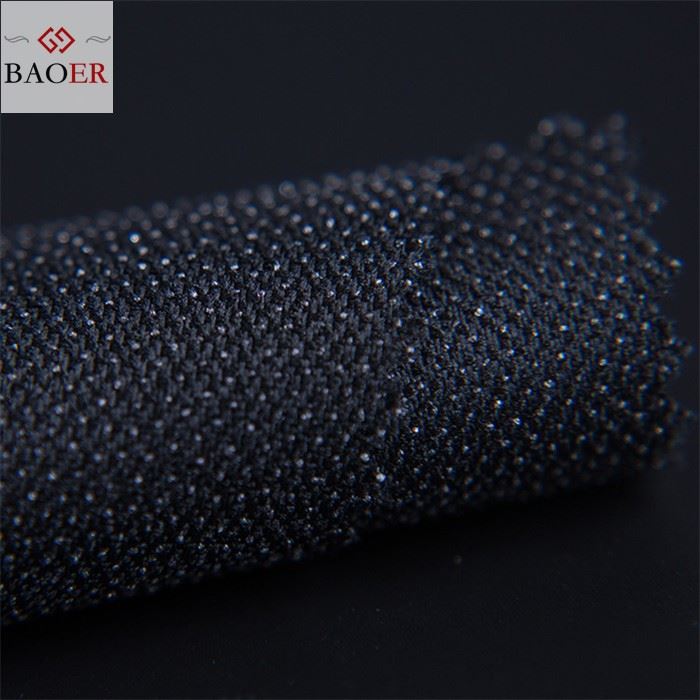
Tricot lining fabric is a type of knitted fabric known for its smooth texture, excellent drape, and stretchability. It is commonly used as a lining material in garments, providing comfort, durability, and a polished finish. The fabric is typically made from synthetic fibers such as polyester or nylon, although it can also be blended with natural fibers for added softness and breathability.

Why Does the Weight of Tricot Lining Fabric Matter?
The weight of tricot lining fabric per square meter plays a crucial role in determining its performance and suitability for different applications. Here are some key reasons why fabric weight matters:
- Comfort: Lighter-weight tricot lining fabrics are generally more comfortable to wear, as they add less bulk and allow for greater freedom of movement. They are ideal for use in summer clothing or garments that require a more breathable lining.
- Durability: Heavier-weight tricot lining fabrics tend to be more durable and resistant to wear and tear. They are often used in outerwear, workwear, or garments that are subject to frequent use or rough handling.
- Appearance: The weight of the lining fabric can also affect the overall appearance of the garment. A heavier lining can provide more structure and support, while a lighter lining can create a more fluid and elegant look.
- Cost: In general, heavier-weight tricot lining fabrics are more expensive than lighter-weight ones. This is due to the increased amount of raw material used and the additional processing required to produce a thicker fabric.
Factors Affecting the Weight of Tricot Lining Fabric
Several factors can influence the weight of tricot lining fabric per square meter. Understanding these factors can help you choose the right fabric for your specific needs. Here are some of the key factors to consider:
- Fiber Type: The type of fiber used in the fabric can have a significant impact on its weight. Synthetic fibers such as polyester and nylon are generally lighter than natural fibers such as cotton or wool. However, the weight can also vary depending on the specific type and quality of the fiber.
- Yarn Count: The yarn count refers to the thickness of the yarn used in the fabric. A higher yarn count typically results in a lighter-weight fabric, while a lower yarn count produces a heavier fabric.
- Knitting Structure: The knitting structure of the fabric can also affect its weight. Different knitting techniques can create fabrics with varying densities and thicknesses. For example, a fabric with a tight knit will generally be heavier than a fabric with a loose knit.
- Finishing Treatments: The finishing treatments applied to the fabric can also add weight. For example, a fabric that has been treated with a water-repellent finish or a flame-retardant coating may be heavier than an untreated fabric.
Typical Weight Ranges for Tricot Lining Fabric
The weight of tricot lining fabric per square meter can vary widely depending on the factors mentioned above. However, here are some typical weight ranges for different types of tricot lining fabric:
- Lightweight Tricot Lining Fabric: Lightweight tricot lining fabrics typically weigh between 30 and 60 grams per square meter. These fabrics are ideal for use in summer clothing, lingerie, or garments that require a breathable lining.
- Medium-Weight Tricot Lining Fabric: Medium-weight tricot lining fabrics usually weigh between 60 and 100 grams per square meter. They are commonly used in a variety of applications, including outerwear, suits, and dresses.
- Heavy-Weight Tricot Lining Fabric: Heavy-weight tricot lining fabrics can weigh anywhere from 100 to 200 grams per square meter or more. These fabrics are often used in workwear, military uniforms, or garments that require extra durability and protection.
Choosing the Right Weight of Tricot Lining Fabric
When choosing the right weight of tricot lining fabric for your project, it's important to consider the specific requirements of your application. Here are some tips to help you make the right decision:
- Consider the End Use: Think about how the garment will be used and what level of comfort, durability, and appearance you want to achieve. For example, if you're making a summer dress, a lightweight lining fabric would be a good choice. On the other hand, if you're making a winter coat, a heavier lining fabric would provide more warmth and protection.
- Test the Fabric: Before committing to a large order, it's a good idea to test the fabric to see how it performs. You can do this by making a sample garment or by testing the fabric's properties such as stretch, drape, and durability.
- Consult with a Professional: If you're unsure which weight of tricot lining fabric is right for your project, don't hesitate to consult with a professional. A fabric supplier or a textile expert can provide you with valuable advice and guidance based on your specific needs.
Related Products
In addition to tricot lining fabric, we also offer a range of other knitted interlining products that may be of interest to you. These include Stretch Fusible Interlining, Polyester Knitted Interlining Fabric, and Bump Interlining Fabric. These products are designed to provide support, structure, and stability to garments, and they can be used in a variety of applications.
Contact Us for Procurement
If you're interested in purchasing tricot lining fabric or any of our other knitted interlining products, please don't hesitate to contact us. We have a team of experienced professionals who can assist you with your procurement needs and provide you with the highest quality products at competitive prices. Whether you're a small business or a large corporation, we're committed to providing you with the best possible service and support.
References
- Textile Institute. (Year). Handbook of Textile Fibres. Woodhead Publishing.
- Lewin, M., & Pearce, E. M. (Eds.). (Year). Handbook of Fiber Chemistry. CRC Press.
