


Hey there! I'm a supplier of non woven interlining, and I've gotten tons of questions about the best tools for cutting this amazing material. So, I thought I'd spill the beans in this blog post.
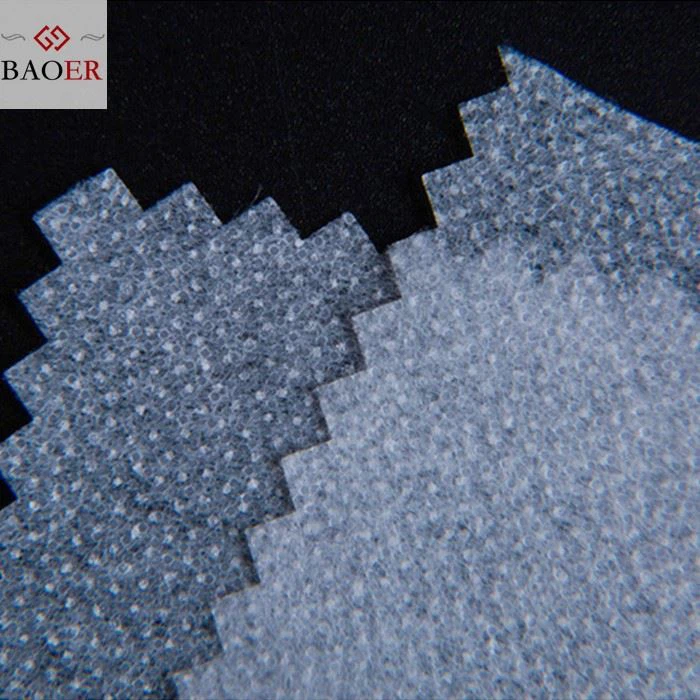
First off, let's talk about what non woven interlining is. Non woven interlining is a great material used in the garment industry. It adds structure, shape, and stability to clothing. We've got different types, like Chemical Bonded Non Woven Fabric, Non Woven Adhesive Interlining, and Non Woven Fusible Interlining For Garment. Each has its own unique properties and is used for different purposes.
Now, onto the main event - cutting tools.
Utility Knives
Utility knives are a classic choice. They're affordable, easy to find, and super versatile. You can use them for small-scale cutting jobs or when you need to make some quick, rough cuts. The blades on utility knives are replaceable, which is a huge plus. When you've worn out one blade, you just swap it for a new one.
But there are some downsides. Utility knives can be a bit tricky to control, especially when you're making precise cuts. The blade can also dull quickly, especially if you're cutting through thick or tough non woven interlining. And if you're not careful, you can end up with uneven edges or even damage the material.
Scissors
Scissors are another popular option. They're great for cutting small pieces of non woven interlining or for making curved cuts. There are different types of scissors available, from regular household scissors to heavy-duty fabric scissors.
Fabric scissors are usually the best choice for cutting non woven interlining. They have sharp, serrated blades that can easily cut through the material without fraying the edges. They're also designed to be comfortable to hold, which is important if you're going to be doing a lot of cutting.
However, scissors can be tiring to use for long periods of time. And if you're cutting large pieces of non woven interlining, it can be difficult to keep the cuts straight.
Rotary Cutters
Rotary cutters are a game-changer when it comes to cutting non woven interlining. They're fast, efficient, and can make clean, straight cuts with ease. A rotary cutter consists of a circular blade that rotates as you cut, which reduces friction and makes the cutting process smoother.
One of the biggest advantages of rotary cutters is that they can cut through multiple layers of non woven interlining at once. This is great if you're working on a large project and need to cut a lot of material quickly. Rotary cutters also come with different-sized blades, so you can choose the one that's best for your needs.

But rotary cutters do have some drawbacks. They can be a bit expensive, especially if you're on a tight budget. And they require a cutting mat to work properly. Without a cutting mat, the blade can damage your work surface.
Laser Cutters
Laser cutters are the high-tech option for cutting non woven interlining. They use a laser beam to cut through the material, which results in extremely precise and clean cuts. Laser cutters can also be programmed to cut complex shapes and patterns, which is great if you're working on a custom project.
One of the biggest advantages of laser cutters is that they can cut through a wide range of materials, including thick and dense non woven interlining. They're also very fast, which can save you a lot of time and money in the long run.
However, laser cutters are very expensive and require a lot of technical expertise to operate. They also produce a lot of heat and fumes, which can be dangerous if you're not using proper ventilation.
So, which tool is the best for cutting non woven interlining? Well, it really depends on your specific needs and preferences. If you're working on a small, simple project, a utility knife or scissors might be all you need. If you're working on a large project or need to make precise cuts, a rotary cutter or laser cutter might be a better choice.
As a non woven interlining supplier, I've seen firsthand how important it is to choose the right cutting tool. Using the wrong tool can result in uneven cuts, frayed edges, and even damage to the material. That's why I always recommend doing some research and testing different tools before you start your project.
If you're in the market for non woven interlining or have any questions about cutting tools, feel free to reach out. We're here to help you find the best solutions for your needs. Whether you're a small clothing manufacturer or a large-scale fashion brand, we've got the products and expertise to support you.
So, don't hesitate to get in touch for procurement and a friendly chat about how we can work together to bring your projects to life.
References:
- Industry knowledge and experience as a non woven interlining supplier.
- Conversations with customers and partners in the garment industry.
