


Can Tricot Lining Fabric be used for belts?
Hey there! As a supplier of tricot lining fabric, I'm often asked all sorts of questions about where and how our fabric can be used. One question that popped up recently was, "Can tricot lining fabric be used for belts?" Well, let's dig into this topic and see what we find out.
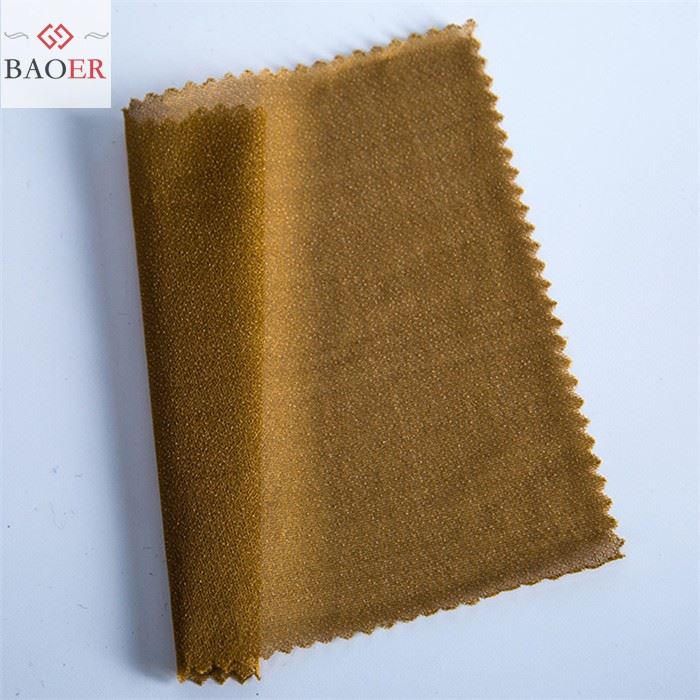
First off, let's talk a bit about tricot lining fabric. It's a type of warp - knitted fabric that has a lot of great properties. Tricot fabric is known for being smooth, stretchy, and having a nice drape. It's commonly used in the clothing industry for things like lining jackets, dresses, and even underwear. You can check out more about Tricot Fusible Interlining on our website, which gives you an idea of the different types of tricot - based products we offer.
Now, when it comes to using tricot lining fabric for belts, there are several factors to consider.
The Advantages of Using Tricot Lining Fabric for Belts
Softness and Comfort
One of the big pluses of tricot lining fabric for belts is its softness. If you've ever worn a belt that rubs against your skin, you know how uncomfortable that can be. Tricot fabric is gentle on the skin, so it can make wearing a belt a much more pleasant experience. Imagine having a belt that doesn't dig in or scratch, but instead feels like a smooth touch against your waist.
Stretchability
Belts need to be able to fit different body sizes and adjust to movements. Tricot fabric has some stretch to it, which means it can adapt to the contour of your body and stretch a little as you move. This is especially useful for belts that need to be worn for long periods. Whether you're sitting at a desk all day or going for a jog, a belt lined with tricot fabric will move with you and stay in place without feeling too tight or restrictive.
Aesthetic Appeal
Tricot lining fabric can add a touch of elegance to belts. It has a sleek and polished look that can enhance the overall appearance of the belt. You can choose from different colors and finishes of tricot fabric to match the style of the belt. For example, a black tricot - lined leather belt can give a classic and sophisticated look, while a brightly colored tricot lining can add a pop of color to a more casual belt.
The Challenges of Using Tricot Lining Fabric for Belts
Durability
While tricot fabric is generally quite strong, belts are subject to a lot of wear and tear. They are tightened, loosened, and pulled on regularly. Over time, this can cause the tricot lining to fray or stretch out too much. However, if the belt is not used too frequently or if it's made with a high - quality tricot fabric, this might not be a major issue. We also offer Polyester Knitted Interlining Fabric, which is a type of tricot - related fabric that can be quite durable and might be a good option for belt linings.
Adhesion
If you're using tricot fabric as a lining for a belt, you need to make sure it stays in place. This means finding the right way to attach it to the belt. Sometimes, the adhesive used to bond the tricot fabric to the belt material might not hold up well over time. But if you use a proper Fusible Warp Knitted Interlining, it can provide a strong and long - lasting bond.
Practical Applications of Tricot Lining Fabric in Belts
Fashion Belts
In the world of fashion, belts are not just functional but also a statement piece. Tricot lining fabric can be used in high - end fashion belts to add a luxurious feel. Designers can play around with different colors and textures of tricot to create unique and eye - catching belts. For example, a belt with a metallic - looking tricot lining can be a great accessory for a night - out outfit.
Casual Belts
Even for everyday, casual belts, tricot lining can make a difference. It can improve the comfort of a simple denim or canvas belt. You won't have to worry about the rough edges of the belt material rubbing against your clothes or skin.
How to Make a Tricot - Lined Belt
If you're interested in making a tricot - lined belt, here's a simple process:
- Choose Your Materials: Select the belt material (like leather, fabric, or canvas) and the tricot lining fabric. Make sure the colors and styles match.
- Cut the Fabrics: Cut the belt material and the tricot lining to the desired length and width. The lining should be slightly smaller than the belt material to ensure a neat fit.
- Attach the Lining: Use a suitable adhesive or sew the tricot lining to the belt material. If you're using a fusible interlining, follow the instructions for applying heat to bond the layers together.
- Finish the Belt: Add any buckles or closures and trim the edges to give the belt a finished look.
In conclusion, tricot lining fabric can definitely be used for belts. It offers a range of benefits in terms of comfort, aesthetics, and stretchability. While there are some challenges like durability and adhesion, with the right products and techniques, these can be overcome.
So, if you're in the business of making belts or just looking for a better way to line your belts, I'd definitely recommend giving tricot lining fabric a try. We've got a wide variety of tricot - based products that can meet your needs, from basic lining materials to specialized fusible interlinings.
If you're interested in purchasing tricot lining fabric for your belt - making projects or any other applications, feel free to reach out. We're here to help you find the perfect fabric solution for your needs.
References

- General knowledge about tricot lining fabric in the textile industry
- Experience as a tricot lining fabric supplier
