


As a dress interlining supplier, I've witnessed firsthand the intricate relationship between dress interlining and elastic in the world of fashion. This relationship is not just about combining two materials; it's about creating a harmonious blend that enhances the functionality, comfort, and aesthetic appeal of a dress. In this blog, I'll delve into how dress interlining interacts with elastic in a dress, exploring the technical aspects, design considerations, and practical applications.
Understanding Dress Interlining and Elastic
Before we discuss their interaction, let's briefly understand what dress interlining and elastic are. Dress interlining is a fabric that is placed between the outer fabric and the lining of a dress. It provides structure, shape, and support to the garment, enhancing its durability and appearance. There are various types of dress interlining, such as Thinsulate Interlining Fabric, which offers insulation, and Wedding Dress Lining Fabric, which is often used for its luxurious feel and drape.
Elastic, on the other hand, is a stretchable material typically made of rubber or synthetic fibers. It is used in dresses to provide flexibility, fit, and movement. Elastic can be found in waistbands, cuffs, hems, and other areas where a snug fit is desired. For example, Waist Band Interlining Fabric often incorporates elastic to ensure a comfortable and secure fit around the waist.
The Interaction in Design and Function
The interaction between dress interlining and elastic begins at the design stage. Designers must consider how these two materials will work together to achieve the desired look and functionality of the dress. For instance, when designing a form-fitting dress, the interlining can provide the necessary structure to hold the shape, while the elastic can allow for ease of movement and a comfortable fit.
In terms of functionality, the interlining can enhance the performance of the elastic. A stiff interlining can prevent the elastic from stretching too much or losing its shape over time. This is particularly important in areas such as waistbands, where the elastic needs to maintain its elasticity to keep the dress in place. On the other hand, the elastic can complement the interlining by providing a flexible element that allows the dress to adapt to the wearer's movements.
Technical Considerations
When combining dress interlining and elastic, there are several technical considerations to keep in mind. One of the most important factors is the compatibility of the materials. The interlining and elastic should have similar stretch properties to ensure that they work together seamlessly. If the interlining is too stiff and the elastic is too stretchy, the dress may not fit properly or may lose its shape over time.
Another consideration is the method of attachment. The interlining and elastic can be attached using various techniques, such as sewing, fusing, or bonding. The choice of attachment method depends on the type of interlining and elastic, as well as the design of the dress. For example, sewing is a common method for attaching elastic to interlining, as it provides a strong and durable bond. However, fusing or bonding may be more suitable for certain types of interlining or elastic, as it can create a more seamless and invisible attachment.
Practical Applications
The interaction between dress interlining and elastic has numerous practical applications in the fashion industry. In bridal wear, for example, the combination of Wedding Dress Lining Fabric and elastic can create a comfortable and elegant fit for the bride. The interlining provides the structure and support needed for the dress to hold its shape, while the elastic allows for ease of movement and a perfect fit.
In sportswear, the use of interlining and elastic can enhance the performance and comfort of the garment. A sports dress may incorporate Thinsulate Interlining Fabric for insulation and elastic in the waistband and cuffs for a snug fit. This combination allows the wearer to move freely while maintaining warmth and comfort.
In everyday wear, the interaction between dress interlining and elastic can also be seen in various styles of dresses. A casual dress may use a lightweight interlining and elastic in the waistband to provide a comfortable and relaxed fit. The interlining adds a bit of structure to the dress, while the elastic allows for flexibility and movement.
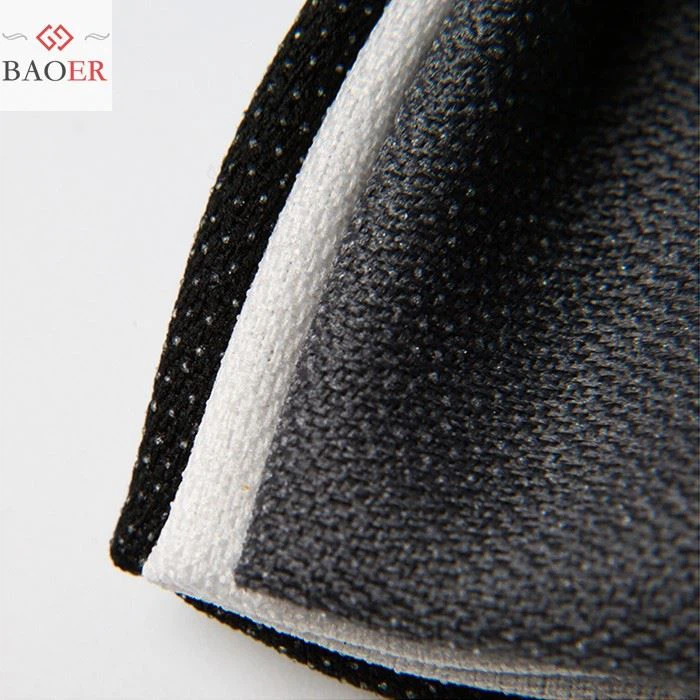
Designing with Dress Interlining and Elastic
Designers can take advantage of the interaction between dress interlining and elastic to create unique and innovative designs. By experimenting with different types of interlining and elastic, as well as various attachment methods, designers can achieve different looks and effects. For example, a designer may use a stretchy interlining with a narrow elastic band to create a form-fitting dress with a modern and sleek look.
In addition to the technical aspects, designers also need to consider the aesthetic appeal of the dress. The interlining and elastic should not only work well together functionally but also enhance the overall look of the garment. For example, a decorative elastic band can add a touch of style to a dress, while a high-quality interlining can give the dress a luxurious and professional appearance.
Quality Control and Testing
As a dress interlining supplier, quality control and testing are essential to ensure that the interlining and elastic work well together. We conduct various tests on our interlining products, including stretch tests, shrinkage tests, and durability tests. These tests help us to ensure that our interlining meets the highest standards of quality and performance.
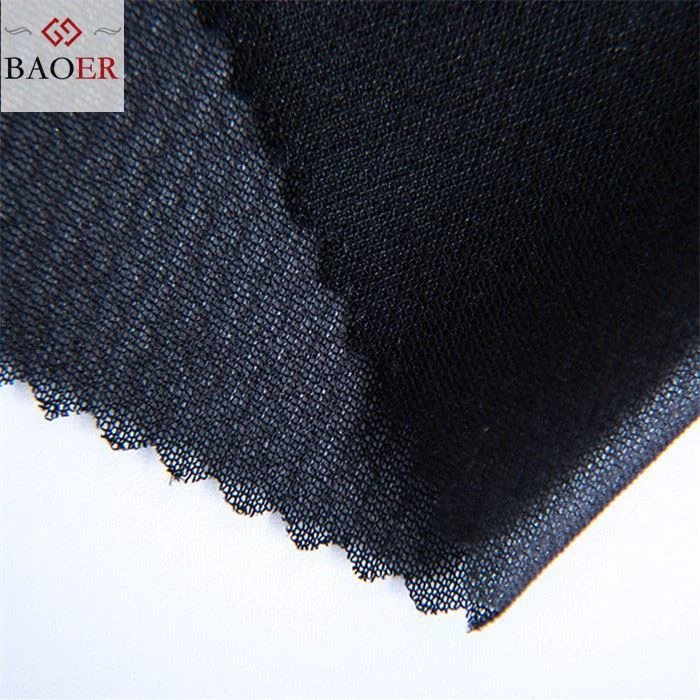
When it comes to the interaction between interlining and elastic, we also conduct compatibility tests. We test different combinations of interlining and elastic to ensure that they work together seamlessly and do not cause any issues such as stretching, wrinkling, or loss of shape. By conducting these tests, we can provide our customers with high-quality interlining products that are compatible with elastic and other materials.
Conclusion
The interaction between dress interlining and elastic is a complex and fascinating topic that has a significant impact on the design, functionality, and aesthetic appeal of a dress. As a dress interlining supplier, we understand the importance of this interaction and are committed to providing our customers with high-quality interlining products that work well with elastic and other materials.
If you're interested in learning more about our dress interlining products or discussing how they can interact with elastic in your dress designs, we'd love to hear from you. Please feel free to contact us to start a conversation about your specific needs and requirements. We look forward to working with you to create beautiful and functional dresses.
References
- Fashion Design Handbook: A Guide to Designing, Patternmaking, and Sewing by Marion Armstrong
- The Technology of Clothing by John E. Gibson
- Textile Science by Robert A. Blackburn
