


As a seasoned supplier of Hat Interlining Fabric, I often encounter a crucial question from our clients: "Is hat interlining fabric hypoallergenic?" This query is not just a fleeting concern but a fundamental aspect that influences purchasing decisions, especially for those with sensitive skin or allergies. In this blog, I'll delve into the science behind hat interlining fabric, explore its hypoallergenic properties, and provide insights to help you make informed choices.
Understanding Hat Interlining Fabric
Before we address the hypoallergenic nature of hat interlining fabric, let's first understand what it is. Hat interlining fabric is a key component in hat manufacturing, providing structure, shape, and stability to hats. It is typically placed between the outer shell and the lining of a hat, enhancing its durability and overall quality.
There are various types of hat interlining fabrics available in the market, each with its unique characteristics. Some common materials include cotton, polyester, wool, and a blend of these fibers. The choice of interlining fabric depends on factors such as the type of hat, desired style, and budget. For instance, cotton interlining is breathable and comfortable, making it suitable for everyday hats, while wool interlining offers warmth and resilience, ideal for winter hats.
The Hypoallergenic Factor
Now, let's tackle the question at hand: Is hat interlining fabric hypoallergenic? The answer is not a simple yes or no. It depends on several factors, including the material used, the manufacturing process, and individual sensitivities.
Material Selection
- Cotton: Cotton is one of the most widely used materials for hat interlining fabric, and it is generally considered hypoallergenic. It is a natural fiber that is soft, breathable, and gentle on the skin. Cotton interlining allows air to circulate, reducing the risk of skin irritation and allergic reactions. However, it's important to note that some people may still be allergic to cotton, although this is relatively rare.
- Polyester: Polyester is a synthetic fiber that is known for its durability and wrinkle resistance. While polyester itself is not inherently allergenic, some people may experience skin irritation or allergic reactions due to the chemicals used in the manufacturing process. For example, polyester fabrics may be treated with dyes, finishes, or flame retardants, which can cause skin sensitivities in some individuals.
- Wool: Wool is a natural fiber that offers excellent insulation and moisture-wicking properties. However, wool can also be a common allergen, especially for people with sensitive skin. Wool fibers contain a protein called lanolin, which can cause skin irritation and allergic reactions in some individuals. Additionally, the processing of wool may involve the use of chemicals such as detergents, dyes, and bleaches, which can further increase the risk of allergic reactions.
Manufacturing Process
The manufacturing process of hat interlining fabric can also affect its hypoallergenic properties. Fabrics that are produced using environmentally friendly and sustainable methods are generally less likely to cause allergic reactions. For example, fabrics that are dyed with natural dyes or finished with organic compounds are less likely to contain harmful chemicals that can trigger allergies.

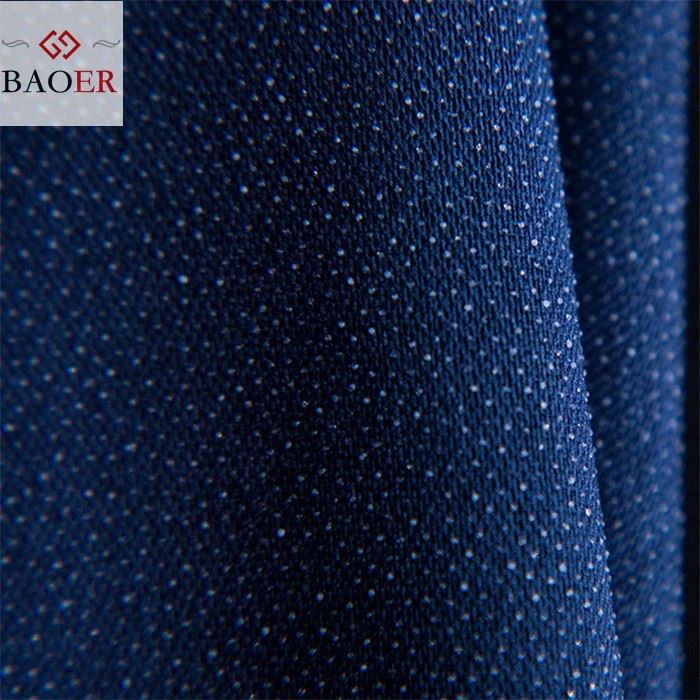
How to Choose Hypoallergenic Hat Interlining Fabric
If you're looking for hypoallergenic hat interlining fabric, here are some tips to help you make the right choice:
- Read the Label: Always check the label of the fabric to see what materials it is made of and if it has been treated with any chemicals. Look for fabrics that are labeled as hypoallergenic, organic, or natural.
- Test the Fabric: If possible, test the fabric on a small area of your skin before using it. This can help you determine if you have any allergic reactions to the fabric.
- Choose Reputable Suppliers: Purchase your fabric from reputable suppliers who are known for producing high-quality, hypoallergenic products. Look for suppliers who provide detailed information about their manufacturing processes and materials.
- Consider Alternative Materials: If you have severe allergies or sensitivities, you may want to consider alternative materials such as bamboo, linen, or silk. These materials are generally more hypoallergenic than traditional fabrics and can provide a comfortable and breathable option for hat interlining.
Our Offerings
At our company, we understand the importance of providing hypoallergenic hat interlining fabric to our customers. That's why we offer a wide range of Hat Interlining Fabric options that are carefully selected and tested to ensure their quality and safety.
Our hat interlining fabrics are made from high-quality materials such as cotton, polyester, and wool, and are processed using environmentally friendly methods. We also offer a variety of Interlining for Suits and Garment Fusible Interlining Fabric options that are suitable for different types of garments.
Conclusion
In conclusion, the hypoallergenic nature of hat interlining fabric depends on several factors, including the material used, the manufacturing process, and individual sensitivities. While there is no guarantee that a particular fabric will be hypoallergenic for everyone, choosing high-quality, natural, and environmentally friendly fabrics can significantly reduce the risk of allergic reactions.
If you're in the market for hat interlining fabric, we encourage you to explore our range of products. Our team of experts is always available to answer your questions and help you find the right fabric for your needs. Whether you're a hat manufacturer, a designer, or an individual looking for a comfortable and hypoallergenic hat, we're here to assist you. Contact us today to discuss your requirements and start your purchasing journey.
References
- American Academy of Dermatology. (n.d.). Allergic contact dermatitis. Retrieved from https://www.aad.org/public/diseases/a-z/contact-dermatitis-allergic
- Mayo Clinic. (2021). Allergies: Types, symptoms, causes, diagnosis & treatments. Retrieved from https://www.mayoclinic.org/diseases-conditions/allergies/symptoms-causes/syc-20351497
- World Health Organization. (2021). Allergic diseases. Retrieved from https://www.who.int/news-room/fact-sheets/detail/allergic-diseases
