


Hey there! I'm a supplier of Canvas Interlining Fabric, and today I wanna chat about the different treatments we can apply to strengthen this awesome fabric. Canvas interlining is super versatile, used in all sorts of garments and other products. But sometimes, it needs a little boost in strength to perform even better. So, let's dive right in and explore the options.
Heat Treatment
One of the most common ways to strengthen canvas interlining fabric is through heat treatment. When we heat the fabric, it helps to set the fibers in place, making them more stable. This process can also improve the fabric's dimensional stability, which means it won't stretch or shrink as much during use.
During heat treatment, we carefully control the temperature and time to ensure that the fabric gets the right amount of heat. Too much heat can damage the fibers, while too little won't have the desired effect. By getting it just right, we can enhance the fabric's strength and durability.
Heat treatment can also improve the fabric's resistance to wrinkles. When the fibers are set through heat, they're less likely to crease and fold, which is great for maintaining a smooth appearance. This is especially important for garments that need to look sharp, like suits or dresses. You can check out our Garment Fusible Interlining Fabric which can benefit from this kind of treatment.
Chemical Treatments
Chemical treatments are another effective way to strengthen canvas interlining fabric. There are several types of chemicals that can be used, each with its own benefits.
One common chemical treatment is resin coating. Resin is applied to the fabric, and when it dries, it forms a protective layer that strengthens the fibers. This layer can also make the fabric more resistant to water, stains, and abrasion. Resin-coated canvas interlining is often used in outdoor clothing and accessories, where it needs to withstand harsh conditions.
Another chemical treatment is the use of cross-linking agents. These agents create bonds between the fibers, making them stronger and more resistant to tearing. Cross-linking can also improve the fabric's elasticity, which is important for garments that need to stretch and move with the body.
We can also use flame-retardant chemicals to treat canvas interlining fabric. This is crucial for applications where fire safety is a concern, such as in curtains or upholstery. Flame-retardant treatments can help prevent the spread of fire and keep people safe.
Mechanical Treatments
Mechanical treatments involve physically altering the fabric to improve its strength. One such treatment is calendering. Calendering is a process where the fabric is passed through a series of rollers under high pressure. This compresses the fibers, making them more tightly packed and increasing the fabric's strength.
Calendering can also give the fabric a smooth, shiny finish, which can enhance its appearance. It's often used for fabrics that are used in high-end garments or accessories.
Another mechanical treatment is needle punching. In needle punching, thousands of barbed needles are repeatedly pushed through the fabric, entangling the fibers and creating a stronger, more stable structure. This treatment is commonly used for non-woven canvas interlining fabrics, which can benefit from the added strength and stability.
Blending with Other Fibers
Blending canvas interlining fabric with other fibers is a great way to enhance its strength. For example, we can blend it with synthetic fibers like polyester or nylon. These synthetic fibers are known for their high strength and durability, and when blended with canvas, they can significantly improve the overall strength of the fabric.
Polyester, in particular, is a popular choice for blending. It has excellent resistance to stretching and shrinking, and it can also add a wrinkle-resistant quality to the fabric. Nylon, on the other hand, is known for its high abrasion resistance, making it ideal for applications where the fabric will be subjected to a lot of wear and tear.
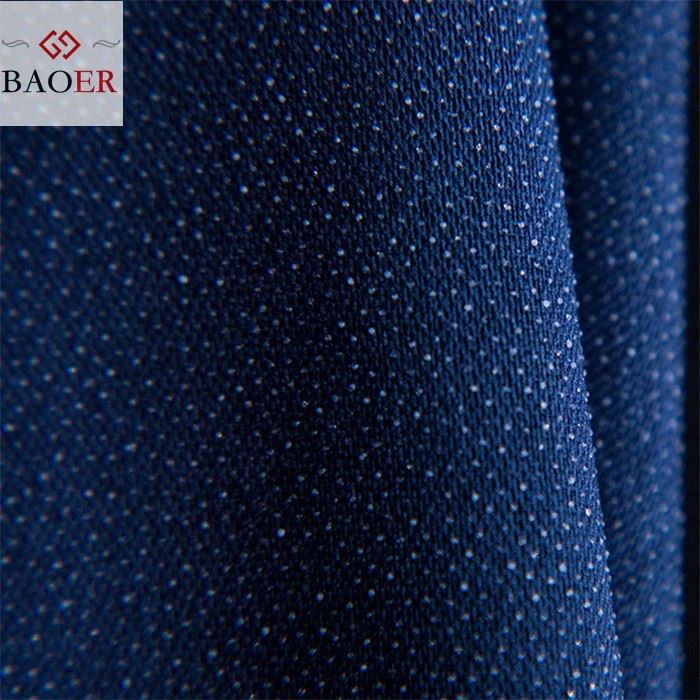

We can also blend canvas with natural fibers like cotton or wool. Cotton is soft and breathable, and when blended with canvas, it can improve the fabric's comfort. Wool, on the other hand, adds warmth and elasticity to the fabric. You can explore our Jacquard Interlining Fabric which may incorporate these blends for enhanced performance.
Applications of Strengthened Canvas Interlining Fabric
The strengthened canvas interlining fabric has a wide range of applications. In the fashion industry, it's used in suits, jackets, and hats. The added strength ensures that these garments hold their shape and last longer. Our Hat Interlining Fabric can be strengthened using the methods we've discussed, providing a more durable and stable base for hats.
In the home decor industry, strengthened canvas interlining is used in curtains, upholstery, and bedding. It can withstand the daily wear and tear of household use and maintain its appearance over time.
In the industrial sector, it's used in products like tents, tarps, and conveyor belts. The strength and durability of the fabric make it suitable for these demanding applications.
Conclusion
There are many treatments we can apply to strengthen canvas interlining fabric. Whether it's heat treatment, chemical treatments, mechanical treatments, or blending with other fibers, each method has its own unique benefits. By choosing the right treatment, we can create a fabric that meets the specific needs of our customers.
If you're interested in our strengthened canvas interlining fabric or want to discuss the best treatment options for your project, don't hesitate to reach out. We're here to help you find the perfect solution for your needs.
References
- Textile Chemistry and Technology by Felix Schurz
- Handbook of Textile Fibre Structure by David J. Walsh
