


Hey there! As a dress interlining supplier, I often get asked if it's possible to use multiple layers of dress interlining. Well, the short answer is yes, it's definitely possible. But like most things in the world of fashion and garment making, there's a lot more to it than just slapping on a few extra layers. In this blog post, I'm going to dive deep into the topic, sharing my insights and experiences to help you understand when, why, and how to use multiple layers of dress interlining.
Why Use Multiple Layers of Dress Interlining?
Let's start by talking about the reasons you might want to use multiple layers of interlining. One of the main reasons is to add more structure and support to a dress. For example, if you're making a wedding dress that needs to hold its shape beautifully, using multiple layers of Wedding Dress Lining Fabric can give it that extra stiffness and stability. This is especially important for gowns with intricate designs or lots of volume, like ball gowns or mermaid styles.
Another reason is to enhance the warmth of a dress. In colder climates, a single layer of interlining might not be enough to keep you cozy. That's where Thinsulate Interlining Fabric comes in handy. By using multiple layers of this insulating fabric, you can create a dress that's both stylish and warm. It's a great option for winter weddings, outdoor events, or just everyday wear when the temperature drops.
Multiple layers of interlining can also be used to achieve a specific texture or drape. Different types of interlining have different properties, and by combining them, you can create a unique look and feel for your dress. For example, you might use a soft, lightweight interlining next to the skin for comfort, and then add a stiffer layer on top to give the dress more body and shape.
When to Use Multiple Layers of Dress Interlining?
Now that we've covered the reasons, let's talk about when it's appropriate to use multiple layers of interlining. As I mentioned earlier, formal dresses like wedding dresses, evening gowns, and ball gowns are often good candidates for multiple layers. These types of dresses require a lot of structure and support to hold their shape and look their best.
If you're working with heavy or thick fabrics, multiple layers of interlining can help balance the weight and prevent the dress from looking too bulky. For example, if you're making a dress out of a thick wool or velvet fabric, adding a couple of layers of interlining can give it a more refined and polished appearance.
On the other hand, if you're making a casual dress or a dress out of a lightweight fabric, you might not need multiple layers of interlining. In fact, using too many layers can make the dress feel heavy and uncomfortable to wear. So, it's important to consider the fabric and the style of the dress before deciding whether to use multiple layers.
How to Use Multiple Layers of Dress Interlining?
Using multiple layers of dress interlining isn't as complicated as it might seem, but there are a few things you need to keep in mind. First of all, make sure you choose the right types of interlining for your project. As I mentioned earlier, different interlinings have different properties, so it's important to select ones that will work well together.

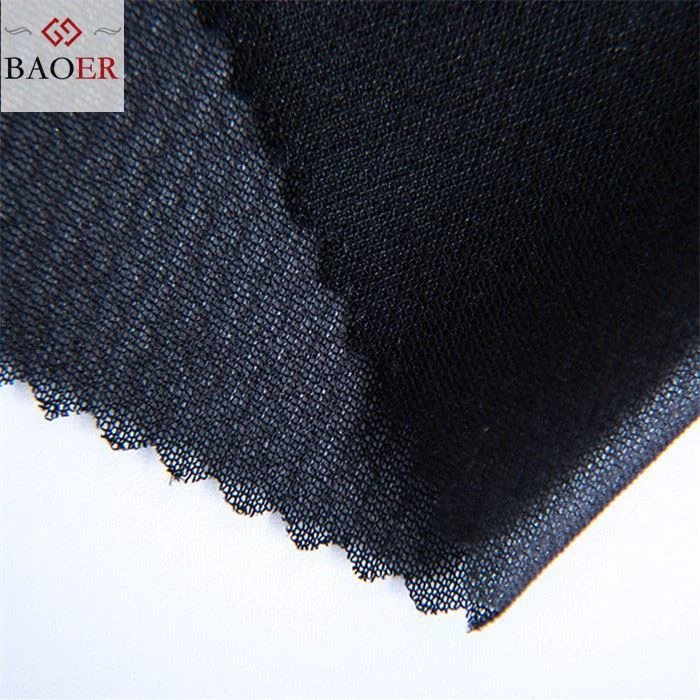
When cutting the interlining, make sure you cut all the layers to the same size and shape as the dress pattern. This will ensure that the interlining layers line up correctly and don't cause any problems when you're sewing them together.
When it comes to sewing the interlining layers together, there are a few different methods you can use. One option is to sew them together by hand using a running stitch or a basting stitch. This gives you more control and allows you to adjust the layers as needed. Another option is to use a sewing machine, but make sure you use a stitch that won't pull or distort the interlining.
Once the interlining layers are sewn together, you can then attach them to the dress fabric. This can be done using a variety of techniques, such as fusing, stitching, or gluing. The method you choose will depend on the type of interlining and the fabric you're using.
Potential Challenges and Solutions
Of course, using multiple layers of dress interlining isn't without its challenges. One of the main challenges is getting the layers to stay in place and not shift or bunch up. This can be especially tricky if you're using a lightweight or slippery fabric. To solve this problem, you can use a stabilizer or a fusible interfacing to hold the layers together.
Another challenge is ensuring that the dress still looks and feels comfortable to wear. As I mentioned earlier, using too many layers of interlining can make the dress feel heavy and restrictive. To avoid this, make sure you choose interlinings that are lightweight and breathable, and don't use more layers than necessary.
Finally, it's important to test the interlining combination on a small piece of fabric before you start working on the actual dress. This will allow you to see how the layers interact with each other and make any necessary adjustments before you commit to the project.
Conclusion
In conclusion, using multiple layers of dress interlining is definitely possible and can offer a number of benefits, including added structure, warmth, and texture. However, it's important to choose the right types of interlining, cut and sew them correctly, and be aware of the potential challenges. By following these tips and guidelines, you can create a dress that looks and feels great.
If you're interested in learning more about dress interlining or have any questions about using multiple layers, I'd love to hear from you. As a dress interlining supplier, I have a wealth of knowledge and experience to share, and I'm always happy to help. Whether you're a professional designer or a DIY enthusiast, I can provide you with the information and products you need to create your dream dress. So, don't hesitate to reach out and start a conversation. Let's work together to make your dress ideas come to life!
References
- "The Complete Book of Sewing" by Reader's Digest
- "Fashion Sewing Handbook" by Threads Magazine
- Personal experience as a dress interlining supplier
